
Foundation Design in Residential Construction: A Civil Engineering View
Foundation design in residential construction forms the structural base that supports the entire home. From a civil engineering standpoint, a well-designed foundation ensures safety, stability, and long-term performance. Every house, regardless of size or style, relies on a foundation system that responds accurately to soil conditions, structural loads, and environmental factors.
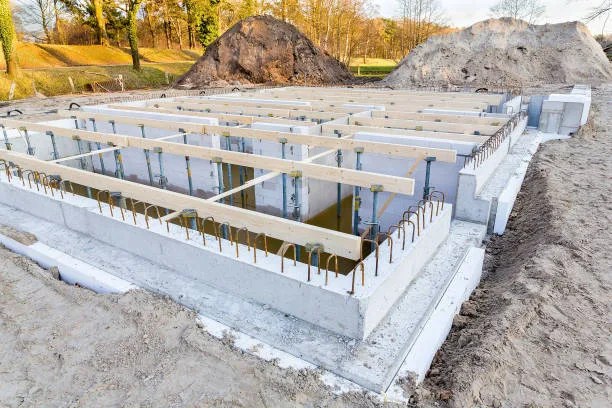
Purpose of Foundation Design in Home Construction
Civil engineers design foundations to transfer the building load safely to the ground. A strong foundation prevents uneven settlement, controls structural movement, and protects the home from moisture-related damage. Without proper foundation planning, even well-built structures can develop cracks, alignment issues, or long-term instability.
Effective foundation design begins during the planning stage and continues through careful execution on site.
Key Factors Considered in Foundation Design
Civil engineers evaluate several technical aspects before selecting a foundation system. Soil properties play a primary role, as different soil types react differently under load. Engineers also assess groundwater levels, load distribution, building height, and local climate conditions.
In residential construction, engineers aim to design foundations that balance structural safety with cost efficiency, ensuring optimal performance without unnecessary material use.
Types of Foundations Used in Residential Buildings
Civil engineers do not use a single foundation solution for every residential project. They select foundation systems based on site-specific factors such as soil strength, groundwater behavior, and the weight of the structure. Depending on these conditions, engineers may design individual support bases, shared support systems, wide slab foundations, or deep-load transfer solutions. Each option addresses different ground behaviors and structural demands, ensuring stability and long-term performance.
For example, isolated footings work well for stable soil with moderate loads, while pile foundations support homes built on weak or waterlogged soil. Civil engineers select the foundation type that best matches site data and structural needs.
Role of Soil Testing in Foundation Engineering
Soil testing provides engineers with essential data for foundation design. Through geotechnical investigations, engineers determine soil strength, bearing capacity, and settlement characteristics. These findings guide decisions on foundation depth, size, and reinforcement.
Accurate soil testing reduces design assumptions and allows engineers to create foundations that perform reliably over time.
Structural Load Distribution and Safety
Foundation design ensures that structural loads distribute evenly across the ground. Civil engineers calculate dead loads, live loads, and environmental forces to prevent overstressing any part of the foundation system.
Proper load distribution minimizes the risk of cracks, tilting, or differential settlement, improving the overall safety of the residential structure.
Addressing Environmental and Climatic Conditions
Civil engineers adapt foundation designs to suit local environmental conditions. In regions with heavy rainfall or high water tables, engineers include drainage systems, waterproofing layers, and moisture barriers within the foundation design.
These measures protect foundations from water damage and improve durability, especially in climates prone to seasonal weather changes.
Importance of Quality Execution on Site
Even the best foundation design requires proper execution. Civil engineers supervise construction to ensure correct excavation, reinforcement placement, concrete quality, and curing practices.
Quality control during foundation work prevents structural defects and ensures the foundation performs as designed throughout the building’s lifespan.
Role of Professional Builders in Foundation Construction
Experienced builders play a crucial role in translating engineering designs into strong physical structures. They coordinate with civil engineers, follow approved drawings, and maintain construction standards on site.
Professional builders also ensure that foundation work complies with safety codes and building regulations, providing homeowners with reliable and lasting results.
Conclusion
From a civil engineering view, foundation design in residential construction determines the strength and durability of the entire home. By combining soil analysis, structural calculations, and careful execution, engineers create foundations that support safe and stable living spaces. With professional planning and expert construction, a well-designed foundation becomes the key to a home that stands strong for generations.
Find out what Buildtech can offer you: https://buildtechbuilders.com/services/