
Soil Testing and Foundation Engineering for Homes in Kerala
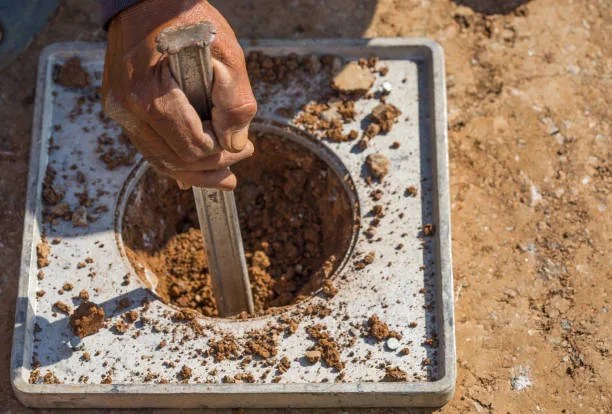
Soil testing and foundation engineering for homes in Kerala play a critical role in ensuring structural safety and long-term durability. Kerala’s varied soil types, high water table, and heavy monsoon rainfall make foundation planning far more complex than in many other regions. A well-engineered foundation begins with proper soil analysis and continues with informed structural decisions tailored to site conditions.
Why Soil Testing Is Essential Before Home Construction
Soil testing provides essential data about the ground on which a house will stand. It helps engineers understand soil strength, bearing capacity, moisture content, and settlement behavior. Without this information, foundations may face uneven settlement, cracking, or water-related damage over time.
In Kerala, soil conditions can change significantly even within short distances. Conducting soil testing before construction allows builders to design foundations that respond accurately to site-specific conditions.
Common Soil Types Found in Kerala
Kerala features a diverse range of soil profiles that directly affect foundation design. Some of the commonly encountered soil types include laterite soil, clay soil, sandy soil, and coastal alluvium. Each type behaves differently under load and moisture conditions.
For example:
- Laterite soil offers good strength when dry but requires careful water management
- Clay soil expands and contracts with moisture changes
- Sandy soil provides drainage but needs stabilization
- Coastal soil demands corrosion-resistant engineering solutions
Understanding these variations helps engineers choose the most suitable foundation system.
Soil Investigation Methods Used for Residential Projects
Engineers use scientific testing methods to evaluate soil conditions accurately. Standard procedures include borehole drilling, standard penetration tests, and laboratory analysis of soil samples. These tests provide data on soil density, shear strength, and load-bearing capacity.
Based on these findings, engineers determine safe foundation depth and design specifications that ensure stability and compliance with building standards.
Role of Foundation Engineering in Home Construction
Foundation engineering transforms soil data into practical structural solutions. Engineers select foundation types such as isolated footings, combined footings, raft foundations, or pile foundations based on soil strength and load requirements.
Proper foundation engineering distributes building loads evenly and prevents structural movement. In Kerala’s monsoon-prone environment, engineers also integrate drainage and waterproofing measures into foundation design.
Addressing Kerala’s Climate and Water Conditions
Kerala experiences heavy rainfall and elevated groundwater levels, which can weaken foundations if not managed correctly. Engineers design foundations with adequate depth, moisture barriers, and drainage systems to protect against water infiltration.
Techniques such as plinth protection, proper slope grading, and foundation waterproofing improve resistance to moisture-related damage and extend the lifespan of the structure.
Benefits of Professional Soil Testing and Engineering Design
Professional soil testing and foundation engineering reduce construction risks and long-term maintenance costs. These processes prevent common issues such as foundation settlement, wall cracks, and structural imbalance.
Key benefits include:
- Improved structural safety
- Accurate material usage
- Cost-efficient foundation design
- Compliance with engineering standards
Investing in professional testing and design ensures peace of mind for homeowners.
Role of Experienced Builders in Foundation Planning
Experienced builders coordinate closely with geotechnical engineers and structural consultants. They ensure soil testing occurs at the right stage and that foundation designs align with test results.
Professional builders also monitor execution quality during construction, ensuring foundations meet approved engineering specifications and safety standards.
Conclusion
Soil testing and foundation engineering for homes in Kerala form the backbone of safe and durable construction. By understanding soil behavior and applying engineering expertise, builders can create foundations that withstand climate challenges and time. With proper planning and professional execution, homeowners can build houses that remain strong, stable, and secure for generations.
Visit us, choose better to build your dream home: https://buildtechbuilders.com/