Picking the right construction method can shape the cost, speed, and overall outcome of your project. Two widely used approaches—modular construction and traditional construction—follow very different processes. Knowing how each one works will make your decision much easier.

Understanding Modular Construction
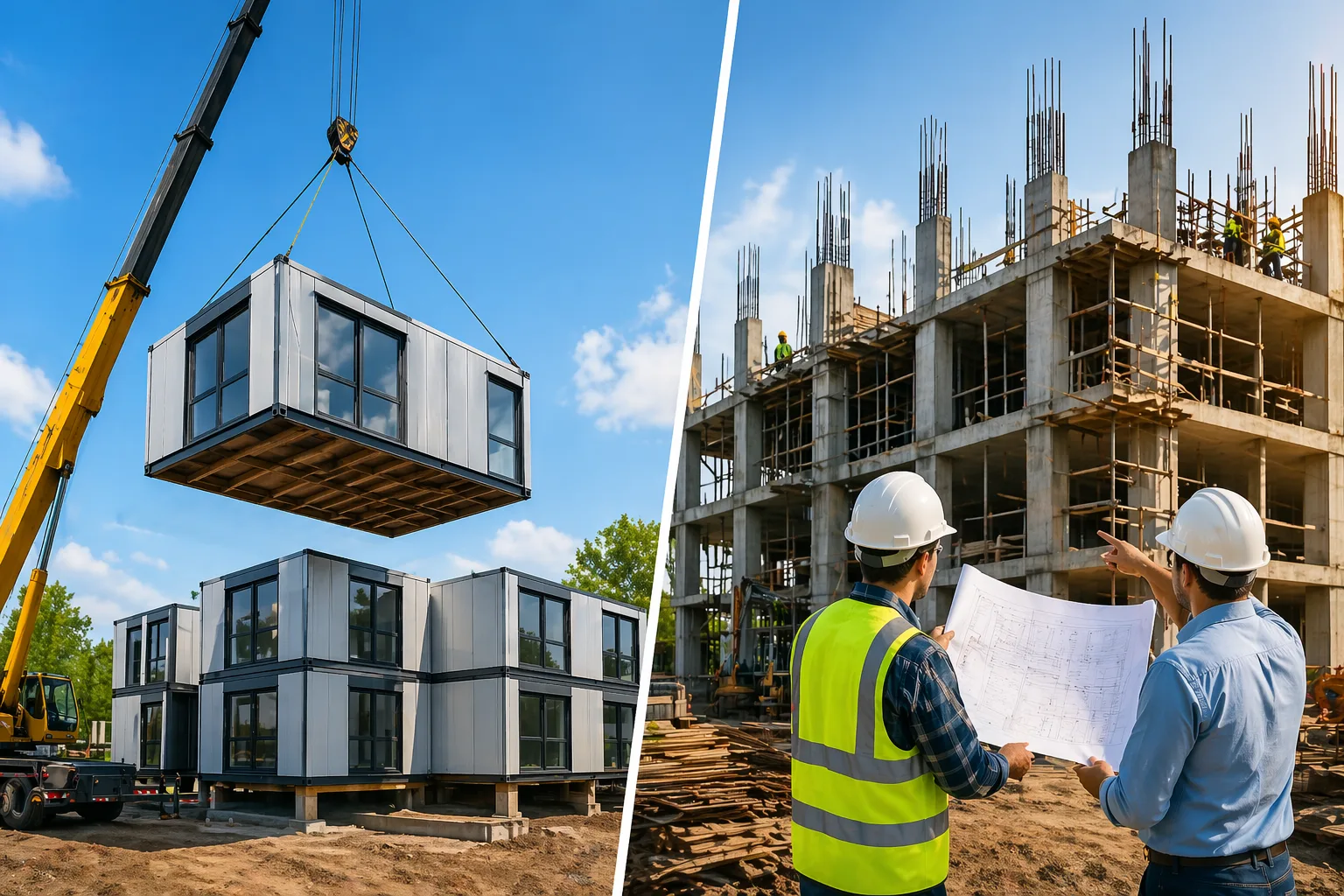
Modular construction is a technique where building units are produced in a factory instead of at the site. These units are later delivered and joined together to form a complete structure.
This method is known for saving time because multiple activities happen at once. While the site is being prepared, the building sections are created off-site. The indoor production setting also helps maintain steady quality and reduces waste. Since most of the work is done in a controlled space, delays caused by weather are minimal.
At the same time, modular construction may not suit projects that need highly detailed or unusual designs, as it relies on pre-planned sections.
Understanding Traditional Construction
Traditional construction is the standard method where all building work takes place directly on the site. The structure is built step by step, starting from the base and moving upward until completion.
This approach allows more freedom in design. Changes can be made during the process, and it supports complex architectural ideas. Because of this flexibility, it is often chosen for custom-built homes and specialized projects.
However, this method can take longer to finish. Factors like weather, labor, and material supply can slow down progress and increase costs.
How They Differ
The main difference between these two methods is the location of the work. Modular construction shifts most of the building process to a factory, leading to faster completion and better control over quality. Traditional construction keeps all activities on-site, offering greater flexibility but often requiring more time.
Another difference is cost control. Modular projects tend to have more predictable expenses due to reduced delays and waste. In contrast, traditional construction costs can change depending on project conditions.
Which Option Should You Choose?
There is no universal answer, as the best method depends on your priorities.
If you need a quicker build, controlled spending, and consistent results, modular construction can be a practical choice. It works well for projects with standard layouts and tight schedules.
If your focus is on creativity, customization, and detailed design, traditional construction is more suitable. It is the better option for projects that require unique features or frequent changes.
Final Words
Both construction methods offer clear benefits. Modular construction stands out for speed and efficiency, while traditional construction provides flexibility and design freedom. By matching your project goals with the strengths of each method, you can confidently choose the approach that delivers the best results.
Build your dream home with Buildtech Builders today for expert guidance.