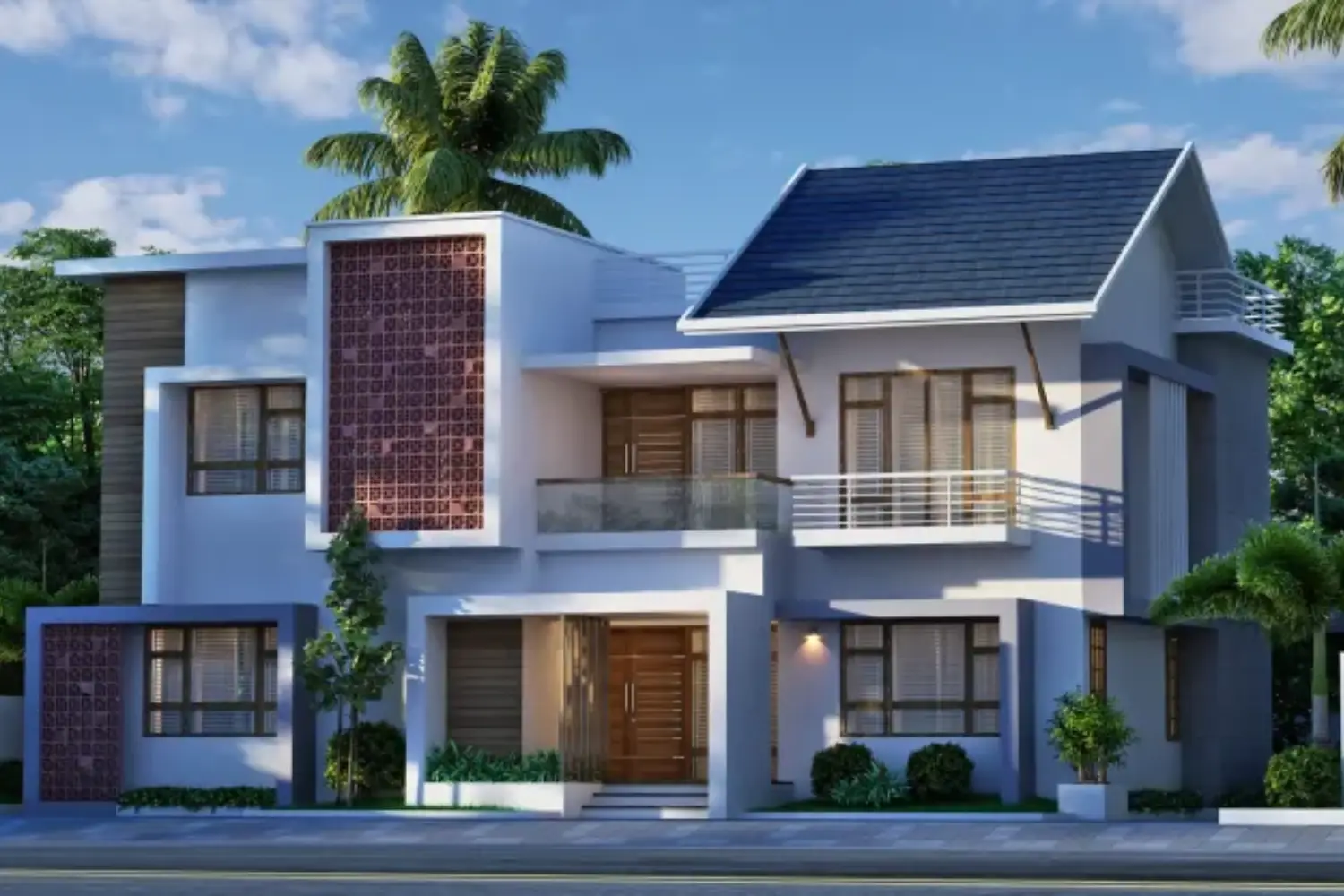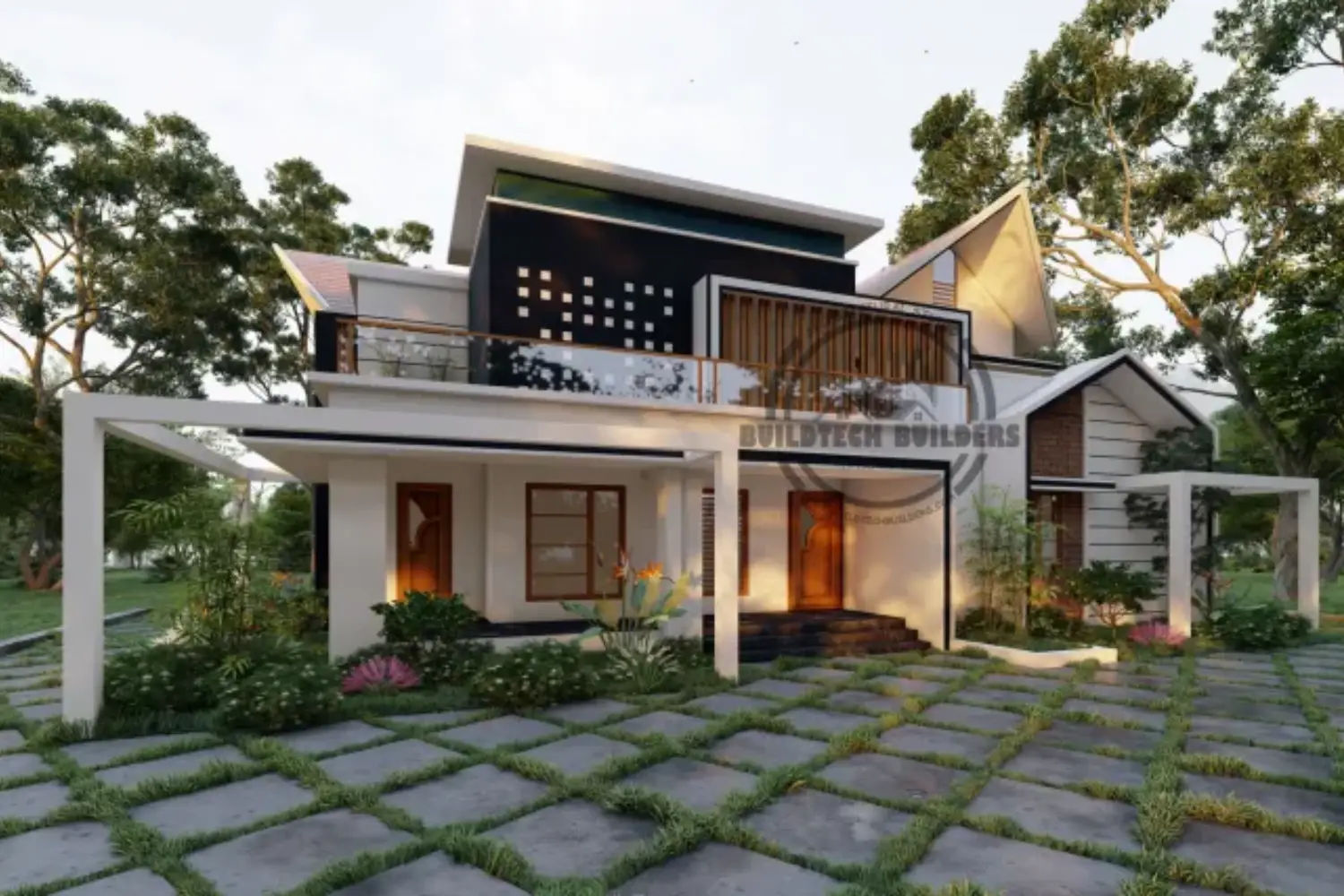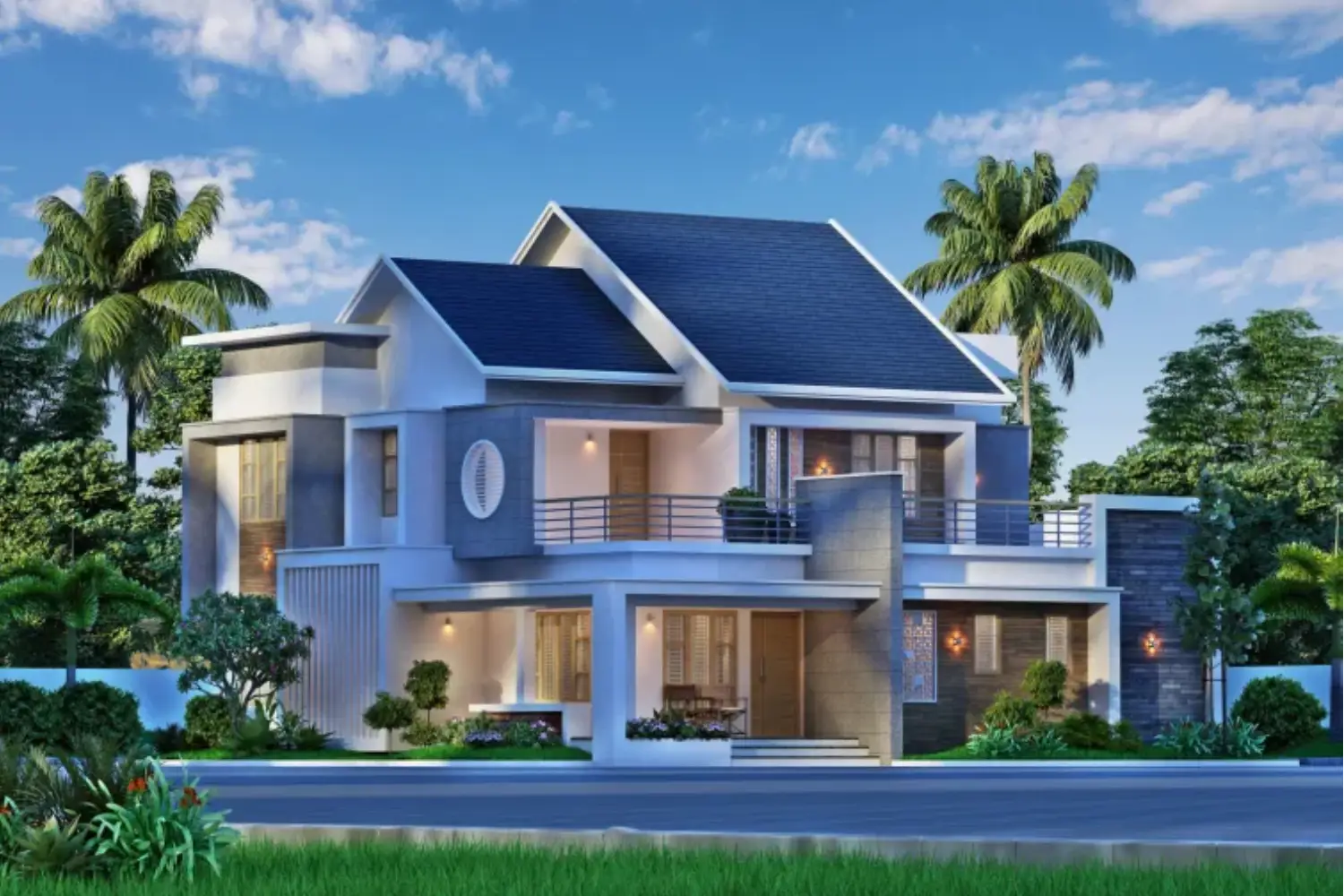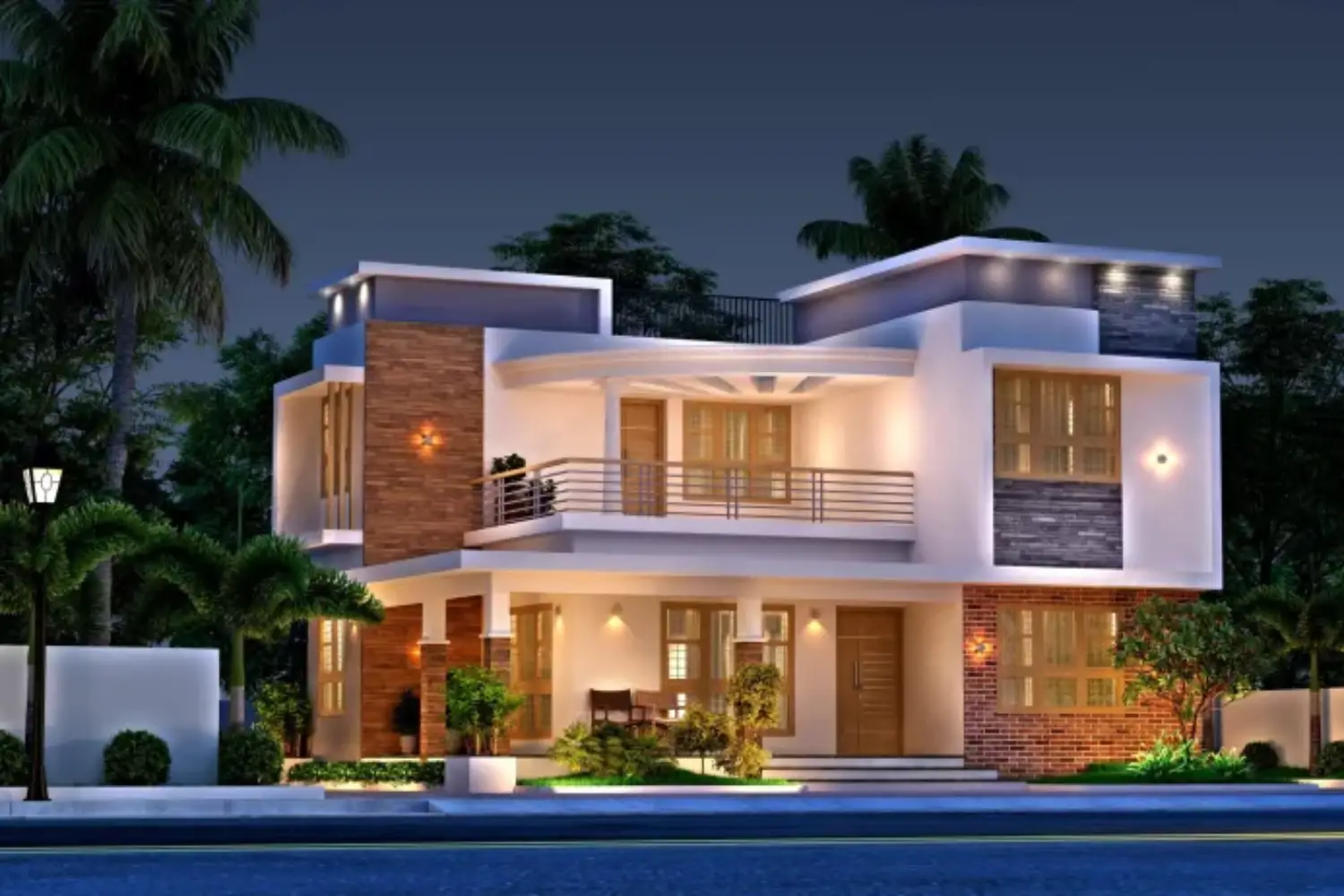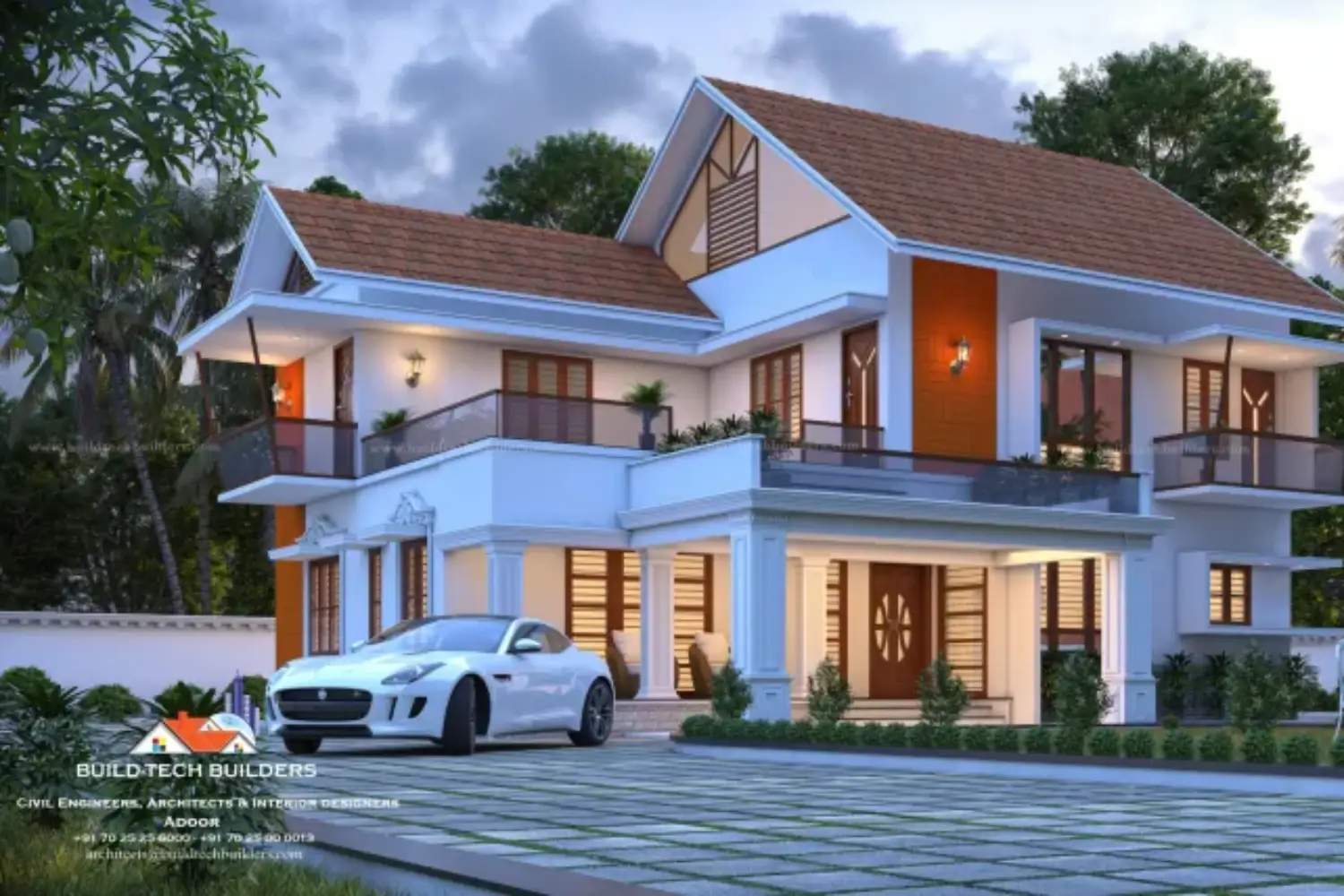
Building a home is one of the biggest investments in life. Today, many homeowners are looking for construction methods that provide comfort, durability, and long-term savings while reducing environmental impact. This has increased interest in eco-friendly house construction in Kerala, where climate conditions, natural resources, and sustainable building practices play an important role in residential design.
Eco-friendly construction focuses on using sustainable materials, improving energy efficiency, reducing waste, and creating healthier living spaces. In Kerala, green home construction can also help homeowners manage heat, humidity, and heavy rainfall through climate-responsive architectural planning.
In this guide, we explore eco-friendly construction materials, sustainable house design ideas, important benefits, and practical considerations for building an environmentally responsible home in Kerala.
What Is Eco-Friendly House Construction?
Eco-friendly house construction is a building approach that aims to reduce environmental impact throughout the construction and use of a home.It focuses on responsible material selection, efficient resource use, waste reduction, energy conservation, and indoor environmental quality.A sustainable house is not simply a house made with natural materials. It is a home designed to use energy and water efficiently, provide comfortable indoor conditions, and reduce unnecessary environmental impact over its lifetime.
Key Features of Eco-Friendly House Construction
Sustainable and responsibly sourced materials.
Energy-efficient lighting and appliances.
Natural ventilation and daylight.
Rainwater harvesting systems.
Efficient water management.
Waste reduction during construction.
Climate-responsive architectural design.
Durable materials requiring less frequent replacement.
Solar energy where suitable.
Healthy indoor environments.
Why Eco-Friendly House Construction Is Important in Kerala
Kerala has a tropical climate with heavy monsoon rainfall, high humidity, and warm temperatures. These conditions make sustainable construction planning particularly important.
Eco-friendly house construction can help homeowners create comfortable spaces while managing energy consumption, water usage, and construction waste.
1. Reducing Energy Consumption
Homes designed with suitable ventilation, shading, daylight, and efficient appliances can reduce dependence on artificial lighting and cooling.
2. Managing Rainwater
Rainwater harvesting and properly designed drainage systems can help collect water and manage rainfall efficiently.
3. Reducing Construction Waste
Careful planning, accurate material estimation, and responsible construction practices can reduce unnecessary waste.
4. Improving Indoor Comfort
Natural ventilation, suitable building materials, and thoughtful room orientation can improve indoor comfort.
5. Supporting Sustainable Development
Eco-friendly construction encourages responsible resource use and can reduce environmental impacts associated with residential buildings.
Sustainable Materials Used in Eco-Friendly House Construction
Choosing suitable materials is one of the most important steps in building an environmentally responsible home.
1. Laterite Stone
Laterite is a locally available material in many parts of Kerala. When suitable for the site and properly selected, laterite blocks can be used in certain wall construction applications.
Benefits:
Local availability in many regions.
Potentially reduced transportation requirements.
Natural appearance.
Useful thermal properties depending on wall construction.
Laterite suitability depends on its quality, structural requirements, and appropriate construction methods.
2. Bamboo
Bamboo is a renewable material that can be used in selected architectural and interior applications.
Benefits:
Renewable resource.
Lightweight.
Natural appearance.
Useful for decorative and selected structural applications when properly engineered.
Bamboo requires suitable treatment and protection against moisture, insects, and decay, particularly in Kerala’s humid climate.
3. Recycled and Reused Materials
Recycled materials can reduce waste and the demand for new resources.
Examples include:
Reclaimed timber.
Reused bricks.
Recycled metal.
Recycled aggregates where technically suitable.
Reused doors and architectural components.
Materials must be inspected and approved for their intended application before reuse.
4. Fly Ash Bricks and Blocks
Fly ash bricks are manufactured using fly ash and other suitable ingredients.
Benefits:
Consistent dimensions.
Potential reduction in construction waste.
Efficient wall construction.
Possible environmental advantages depending on manufacturing processes and material sourcing.
Their suitability depends on product quality, applicable standards, and project requirements.
5. Sustainable Timber
Responsibly sourced timber can be used for doors, windows, furniture, and architectural elements.
Benefits:
Natural appearance.
Renewable when sourced responsibly.
Reusable in certain applications.
Warm interior aesthetics.
Timber should be appropriately treated and protected against moisture, termites, and other deterioration risks.
6. Low-VOC Paints and Finishes
Low-VOC paints and finishes can help reduce emissions of certain volatile organic compounds indoors.
Benefits:
Improved indoor air quality considerations.
Reduced exposure to certain paint-related emissions.
Suitable for healthier interior environments.
Always check product specifications and certifications.
Eco-Friendly House Design Ideas for Kerala Homes
Sustainable design is not limited to selecting green materials. The architectural design itself plays a major role in energy efficiency and indoor comfort.
1. Natural Ventilation
Natural ventilation helps move air through indoor spaces when outdoor conditions are suitable.
Design considerations include:
Proper window placement.
Cross ventilation.
Ventilation openings.
Shaded outdoor spaces.
Suitable room orientation.
Good ventilation planning can reduce dependence on mechanical cooling in appropriate conditions.
2. Energy-Efficient House Design
Energy-efficient homes use design features and appliances that reduce unnecessary electricity consumption.
Consider:
LED lighting.
Energy-efficient fans.
Efficient air conditioners where required.
Daylight-oriented room planning.
Solar energy systems.
Shading for windows and walls.
3. Rainwater Harvesting
Kerala receives substantial rainfall during the monsoon seasons. Rainwater harvesting can collect roof runoff and store it for suitable non-potable uses or other applications according to the system design.
A rainwater harvesting system may include:
Roof collection surfaces.
Gutters and downpipes.
First-flush arrangements.
Filters.
Storage tanks.
Overflow and drainage provisions.
The collected water should be treated appropriately before drinking or other sensitive uses.
4. Green Roofs and Shaded Outdoor Spaces
Green roofs and shaded outdoor spaces can provide environmental and aesthetic benefits when designed appropriately.
Options include:
Roof gardens.
Balcony planting.
Courtyard greenery.
Vertical gardens.
Shaded verandas.
Green roofs require proper structural assessment, waterproofing, drainage, and maintenance planning.
5. Solar Energy Systems
Solar panels can generate electricity from sunlight and reduce dependence on conventional electricity sources.
Before installing a solar system, consider:
Available roof area.
Roof orientation.
Shading.
Electricity requirements.
Installation costs.
Maintenance.
Grid connection requirements.
6. Climate-Responsive Roofing
Roof design is especially important in Kerala because of heavy rainfall and warm temperatures.
Suitable roofing design should consider:
Rainwater drainage.
Waterproofing.
Roof insulation where appropriate.
Shading.
Ventilation.
Structural safety.
Maintenance requirements.
A properly designed roof can improve comfort and protect the building from weather-related damage.
Benefits of Eco-Friendly House Construction in Kerala
Eco-friendly construction offers several benefits when sustainability is considered throughout the design, construction, and operational stages.
1. Lower Energy Consumption
Natural daylight, efficient lighting, suitable ventilation, and energy-efficient appliances can reduce electricity consumption.
2. Improved Indoor Comfort
Climate-responsive architecture can create more comfortable living spaces by managing sunlight, airflow, and indoor heat.
3. Efficient Water Management
Rainwater harvesting and water-efficient fixtures can help reduce dependence on other water sources.
4. Reduced Environmental Impact
Responsible material selection and construction waste management can reduce resource consumption and environmental impact.
5. Potential Long-Term Savings
Energy and water efficiency may reduce operating expenses over time. However, savings depend on the initial investment, household usage, maintenance, and system performance.
6. Healthier Indoor Environment
Suitable ventilation, moisture management, and low-emission interior finishes can contribute to better indoor environmental quality.
7. Long-Term Durability
Durable materials, effective waterproofing, and proper construction practices can help reduce repair and replacement requirements.
Cost of Eco-Friendly House Construction in Kerala
The cost of eco-friendly house construction depends on the architectural design, materials, energy systems, water management features, and construction quality.
Some sustainable features can be included at little additional cost during the design stage, while others require additional investment.
| Eco-Friendly Feature | Cost Consideration |
|---|---|
| Natural ventilation | Mainly design and planning |
| LED lighting | Initial fixture cost |
| Rainwater harvesting | Tank, filters, plumbing, installation |
| Solar panels | System capacity and installation |
| Low-VOC paints | Product selection |
| Sustainable timber | Material sourcing and treatment |
| Roof insulation | Material and installation |
| Green roof | Structural design, waterproofing, drainage, maintenance |
How to Manage the Construction Budget
Plan sustainable features before construction begins.
Prioritize passive design strategies.
Select locally available materials where suitable.
Compare material specifications and quotations.
Avoid unnecessary architectural complexity.
Include maintenance expenses in the budget.
Evaluate long-term operating costs.
A sustainable home does not necessarily require expensive technology. Good architectural planning can provide meaningful benefits even with a conventional construction budget.
Common Mistakes to Avoid in Eco-Friendly House Construction
Homeowners should avoid the following mistakes:
Selecting materials without checking suitability for Kerala’s climate.
Using untreated timber in moisture-prone areas.
Ignoring roof drainage and waterproofing.
Installing solar panels without evaluating shading.
Designing large glass windows without adequate shading.
Using green materials without checking quality.
Neglecting construction waste management.
Installing rainwater harvesting without proper filtration and maintenance.
Focusing only on initial construction cost.
Ignoring long-term maintenance requirements.
Careful planning and professional guidance help avoid these issues.
Eco-Friendly House Construction vs Conventional Construction
| Feature | Eco-Friendly Construction | Conventional Construction |
|---|---|---|
| Material selection | Emphasizes sustainable sourcing and efficiency | Depends on project specifications |
| Energy efficiency | Prioritized during planning | May vary |
| Water management | Includes conservation measures | May vary |
| Construction waste | Focuses on waste reduction | Depends on site practices |
| Indoor environment | Emphasizes ventilation and material emissions | Depends on design |
| Long-term performance | Considers operational efficiency | Depends on design and construction |
Conventional construction can also incorporate sustainable features. The difference is that eco-friendly construction makes environmental performance and resource efficiency important considerations from the beginning.
Frequently Asked Questions (FAQs)
1. What is eco-friendly house construction in Kerala?
Eco-friendly house construction in Kerala involves building homes using sustainable materials, energy-efficient design, responsible water management, and construction practices that reduce environmental impact.
2. Which materials are best for eco-friendly house construction in Kerala?
Suitable materials may include laterite, responsibly sourced timber, bamboo in appropriate applications, recycled materials, fly ash bricks, and low-emission finishes. Material selection depends on structural requirements, availability, quality, and climate suitability.
3. Is eco-friendly house construction more expensive?
Not always. Some sustainable features require additional investment, while others can be incorporated during architectural planning with little extra cost. Long-term savings depend on energy use, water consumption, maintenance, and the initial investment.
4. Can I build an eco-friendly house in Kerala on a small budget?
Yes. You can prioritize natural ventilation, daylight, efficient room planning, LED lighting, suitable materials, and rainwater management. These measures can improve sustainability without necessarily requiring expensive technology.
5. Is solar energy suitable for Kerala homes?
Solar energy can be suitable for Kerala homes when the roof has adequate sunlight, suitable orientation, and limited shading. A properly designed solar system can help generate electricity for household use.
6. What is the importance of rainwater harvesting in Kerala?
Rainwater harvesting collects roof runoff and stores it for suitable uses. It can help improve water availability and reduce dependence on other water sources, particularly when designed and maintained properly.
7. How can I make my house energy-efficient?
You can improve energy efficiency through natural ventilation, suitable shading, LED lighting, efficient appliances, daylight planning, and solar energy systems where appropriate.
Conclusion
Eco-friendly house construction in Kerala is an effective approach to creating comfortable, durable, and environmentally responsible homes. By combining sustainable materials, climate-responsive architecture, energy efficiency, and water conservation, homeowners can improve their living environment while reducing unnecessary resource consumption.
From laterite and responsibly sourced timber to natural ventilation, rainwater harvesting, and solar energy, several sustainable features can be incorporated into residential construction.
The most important step is to plan sustainability from the beginning of the project. Working with qualified architects, engineers, and construction professionals can help you choose appropriate materials, develop an efficient house design, and manage your construction budget effectively.
If you are planning to build your dream home in Kerala, consider eco-friendly construction practices to create a home that supports comfortable living, long-term durability, and responsible resource use.