
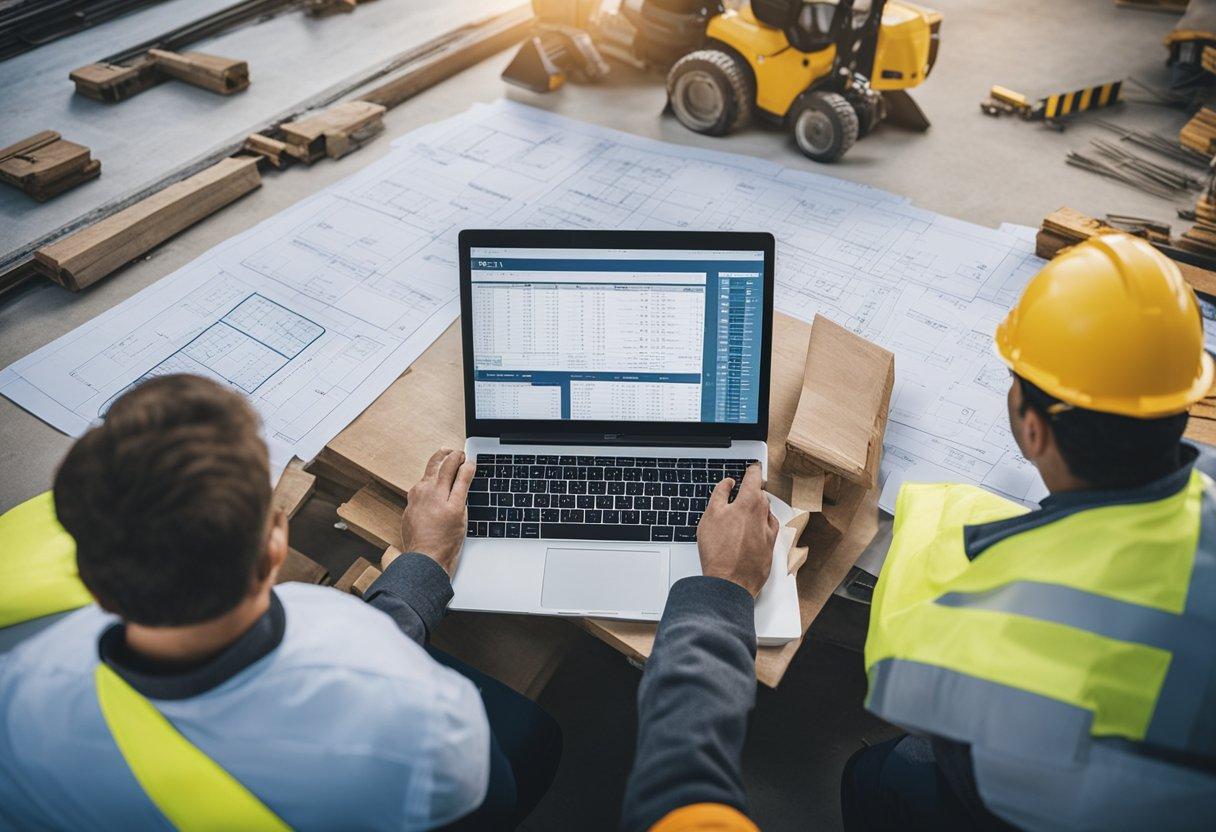
Cost Management & Economic Pressures: A Guide for the Construction Industry
Managing construction costs is one of the biggest challenges in the building industry. Every construction project requires careful financial planning to maintain quality, control expenses, and complete the work within the planned budget. However, rising material prices, labour costs, transportation expenses, and economic changes can create financial pressure for builders and homeowners.
Effective cost management helps builders use available resources efficiently, reduce unnecessary expenses, and deliver successful construction projects. Understanding economic pressures and planning ahead can make a significant difference in the overall performance of a building project.
1. Understanding Construction Cost Management
Construction cost management is the process of planning, estimating, monitoring, and controlling expenses throughout a construction project.
It helps builders maintain financial control while ensuring that the required quality standards are achieved.
Important cost management activities include:
- Preparing a detailed construction budget.
- Estimating material and labour costs.
- Monitoring project expenses regularly.
- Managing resources efficiently.
- Avoiding unnecessary construction changes.
- Maintaining accurate financial records.
Proper cost management allows builders to complete projects more efficiently and avoid unexpected financial difficulties.
2. Rising Construction Material Prices
Construction materials such as cement, steel, sand, bricks, and aggregates contribute significantly to building expenses. Changes in market prices can directly affect the total construction budget.
Some common reasons for increasing material costs include:
- Changes in raw material prices.
- Transportation and fuel expenses.
- Supply and demand fluctuations.
- Market conditions and inflation.
- Delays in material procurement.
Builders should regularly monitor market prices, compare supplier quotations, and plan material purchases carefully to manage these expenses.
3. Increasing Labour and Workforce Costs
Labour is another major expense in construction projects. Skilled workers, engineers, electricians, plumbers, masons, and other professionals are essential for maintaining construction quality.
Labour costs may increase due to:
- Shortage of skilled workers.
- Changes in wage rates.
- Increased demand for construction professionals.
- Project delays and additional working hours.
- Requirements for specialized skills.
Hiring qualified workers, providing proper work schedules, and improving workforce productivity can help builders manage labour expenses.
4. Impact of Inflation on Construction Projects
Inflation can increase the overall cost of construction by raising the prices of materials, transportation, equipment, and labour.
When construction costs increase during a project, builders may face difficulties maintaining the original budget.
To manage inflation-related pressures, builders should:
- Prepare realistic project estimates.
- Review market prices before purchasing materials.
- Include a suitable contingency budget.
- Plan procurement in advance.
- Discuss possible cost changes with clients.
Regular financial reviews help builders respond to changing economic conditions.
5. Importance of Budget Planning and Cost Estimation
A well-prepared budget is essential for every construction project. It helps builders and homeowners understand the expected expenses before construction begins.
A construction budget should include:
- Land preparation and foundation expenses.
- Building materials and transportation.
- Labour and contractor charges.
- Electrical and plumbing work.
- Interior and exterior finishing.
- Equipment and machinery costs.
- Professional fees and applicable approval charges.
- Contingency funds for unexpected expenses.
Accurate cost estimation helps reduce financial uncertainty and supports better decision-making.
6. Effective Ways to Reduce Construction Costs
Builders can control expenses without compromising essential construction quality by adopting efficient planning and management practices.
Some useful cost-saving methods include:
- Selecting suitable and durable building materials.
- Reducing material wastage through proper planning.
- Comparing quotations from reliable suppliers.
- Using materials efficiently.
- Avoiding unnecessary design changes.
- Maintaining construction equipment regularly.
- Following a realistic project schedule.
Smart resource management can improve project efficiency and reduce avoidable expenses.
7. Technology and Modern Cost Management
Technology plays an important role in improving construction cost management. Digital tools help builders estimate project costs, monitor expenses, manage materials, and track construction progress.
Some useful technologies include:
- Construction management software for project monitoring.
- Building Information Modelling (BIM) for planning and coordination.
- Spreadsheet tools for budgeting and expense tracking.
- Digital procurement systems for managing material purchases.
- Project scheduling software for controlling timelines.
Using suitable digital tools can improve accuracy, transparency, and financial management.
8. Maintaining Transparency with Clients
Clear communication about construction costs helps build trust between builders and homeowners.
Professional builders should:
- Provide detailed project quotations.
- Explain material and labour costs.
- Inform clients about unexpected expenses.
- Maintain proper payment records.
- Discuss changes in project costs before implementation.
- Provide regular financial and project updates.
Transparency helps clients understand where their money is being spent and reduces misunderstandings.
Frequently Asked Questions (FAQs)
1. What is construction cost management?
Construction cost management is the process of estimating, planning, monitoring, and controlling expenses to complete a construction project within its planned budget.
2. What factors affect construction costs?
Construction costs are affected by material prices, labour charges, transportation, building design, project location, equipment expenses, and economic conditions.
3. How does inflation affect the construction industry?
Inflation increases the prices of construction materials, labour, transportation, and other services. This can increase project expenses and affect the original construction budget.
4. How can builders reduce construction costs?
Builders can reduce unnecessary expenses through proper budgeting, efficient material usage, supplier comparisons, workforce planning, and avoiding unnecessary design changes.
5. Why is budget planning important in construction?
Budget planning helps builders and homeowners estimate expenses, allocate resources, monitor spending, and prepare for unexpected costs.
6. What is a contingency budget in construction?
A contingency budget is an additional amount set aside to handle unexpected expenses, price changes, or unforeseen construction problems.
7. How does technology help manage construction costs?
Construction software, spreadsheets, and BIM tools help builders estimate costs, track expenses, manage resources, and monitor project progress.
8. How can homeowners avoid unexpected construction expenses?
Homeowners can reduce unexpected expenses by preparing a realistic budget, choosing reliable builders, reviewing quotations, checking material specifications, and maintaining clear communication throughout the project.
Conclusion
Cost management and economic planning are essential for successful construction projects. Rising material prices, increasing labour expenses, inflation, and unexpected costs can create challenges for builders and homeowners.
By preparing accurate budgets, monitoring expenses, managing resources efficiently, and adopting modern construction technologies, builders can control financial pressures while maintaining construction quality.
Effective cost management not only improves project performance but also builds client confidence and supports long-term success in the construction industry.