
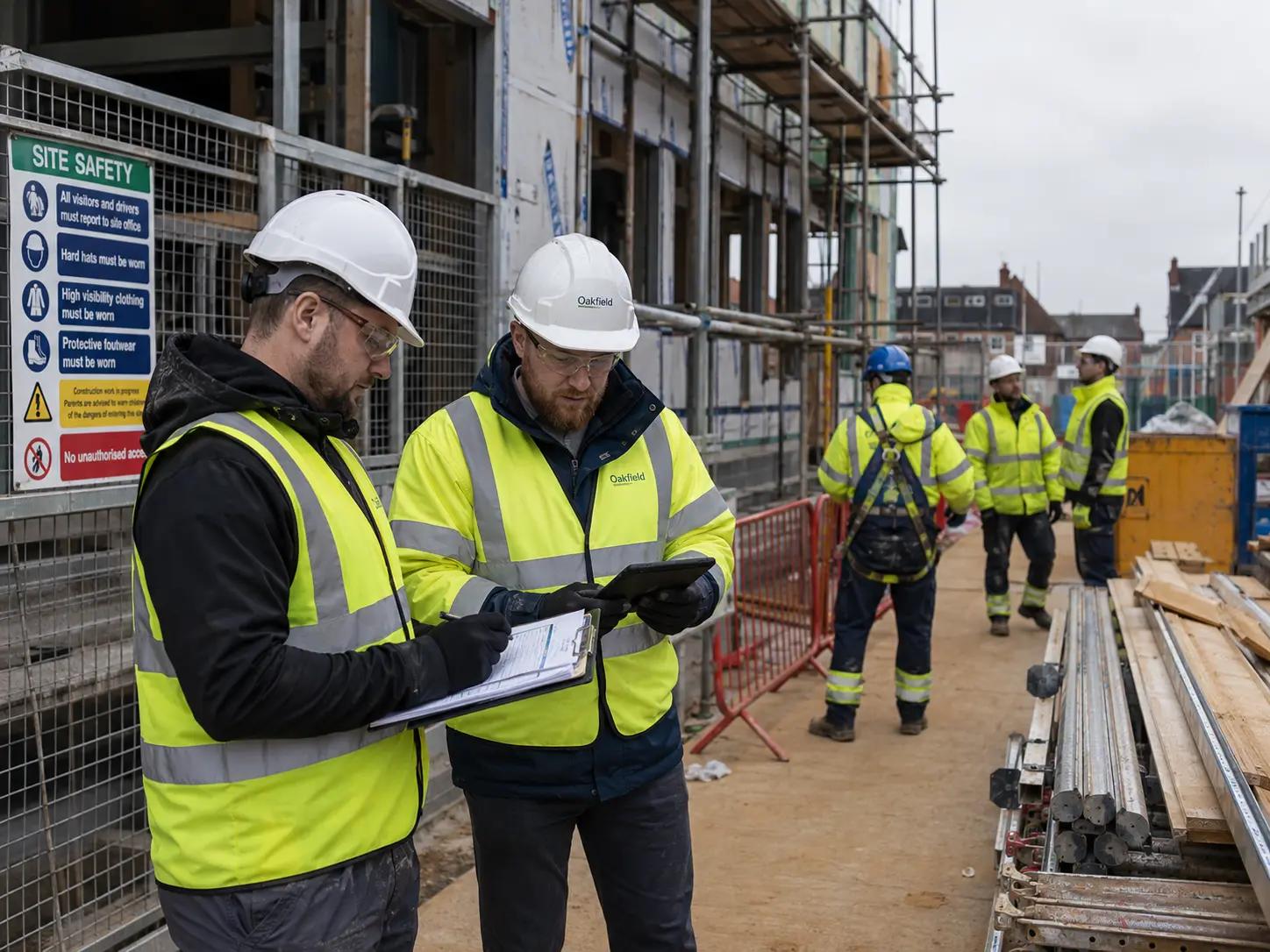
The construction industry plays an important role in developing safe and modern buildings. However, successful construction requires more than quality materials and good designs. Construction safety, proper building regulations, and a skilled workforce are essential for completing projects efficiently and maintaining high-quality standards.
Whether constructing a residential house or a commercial building, builders must follow safety procedures, comply with government regulations, and employ trained professionals.
1. Importance of Safety in Construction
Construction sites involve various activities, including excavation, heavy machinery operation, electrical work, and working at heights. Without proper safety measures, workers may face serious accidents and injuries.
Important construction safety practices include:
- Providing personal protective equipment (PPE), such as helmets, safety shoes, gloves, and safety jackets.
- Installing warning signs and safety barriers around dangerous areas.
- Ensuring proper scaffolding and fall-protection systems.
- Regularly inspecting machinery and construction equipment.
- Providing safety training and emergency procedures for workers.
Following these practices helps protect workers and creates a safer construction environment.
2. Understanding Building Regulations
Building regulations are rules and guidelines that builders must follow during construction. These regulations help ensure that buildings are safe, structurally strong, and suitable for their intended use.
Some important areas covered by building regulations include:
- Building permits and approvals before construction.
- Structural stability and foundation requirements.
- Fire safety and emergency exits.
- Electrical and plumbing safety standards.
- Proper ventilation, drainage, and sanitation.
- Compliance with applicable local building rules and environmental requirements.
Builders should check the applicable regulations and obtain the necessary approvals from the relevant authorities before starting construction.
3. Importance of a Skilled Workforce
A skilled workforce is one of the most important factors in successful construction projects. Experienced engineers, architects, supervisors, electricians, plumbers, masons, and other construction workers contribute to the quality and efficiency of a building.
A professional construction team helps with:
- Maintaining construction quality.
- Completing work within the planned schedule.
- Reducing material wastage and unnecessary expenses.
- Following safety procedures.
- Identifying and solving construction problems.
Builders should provide regular training to workers to improve their technical knowledge and awareness of modern construction methods.
4. How Builders Can Maintain Construction Standards
Professional builders should focus on safety, regulatory compliance, and workforce management throughout the construction process.
Some effective practices include:
- Preparing a proper construction and safety plan.
- Hiring qualified and experienced professionals.
- Conducting regular site inspections.
- Using quality-approved construction materials.
- Maintaining necessary permits and project documents.
- Providing continuous safety training to workers.
These practices help builders deliver reliable construction projects while protecting workers and clients.
Conclusion
Safety, regulations, and workforce management are three essential pillars of the construction industry. By following safety guidelines, complying with applicable building regulations, and employing skilled workers, builders can deliver strong, safe, and high-quality buildings.
Choosing a professional builder who prioritizes these factors can make a significant difference in the success of any construction project.