
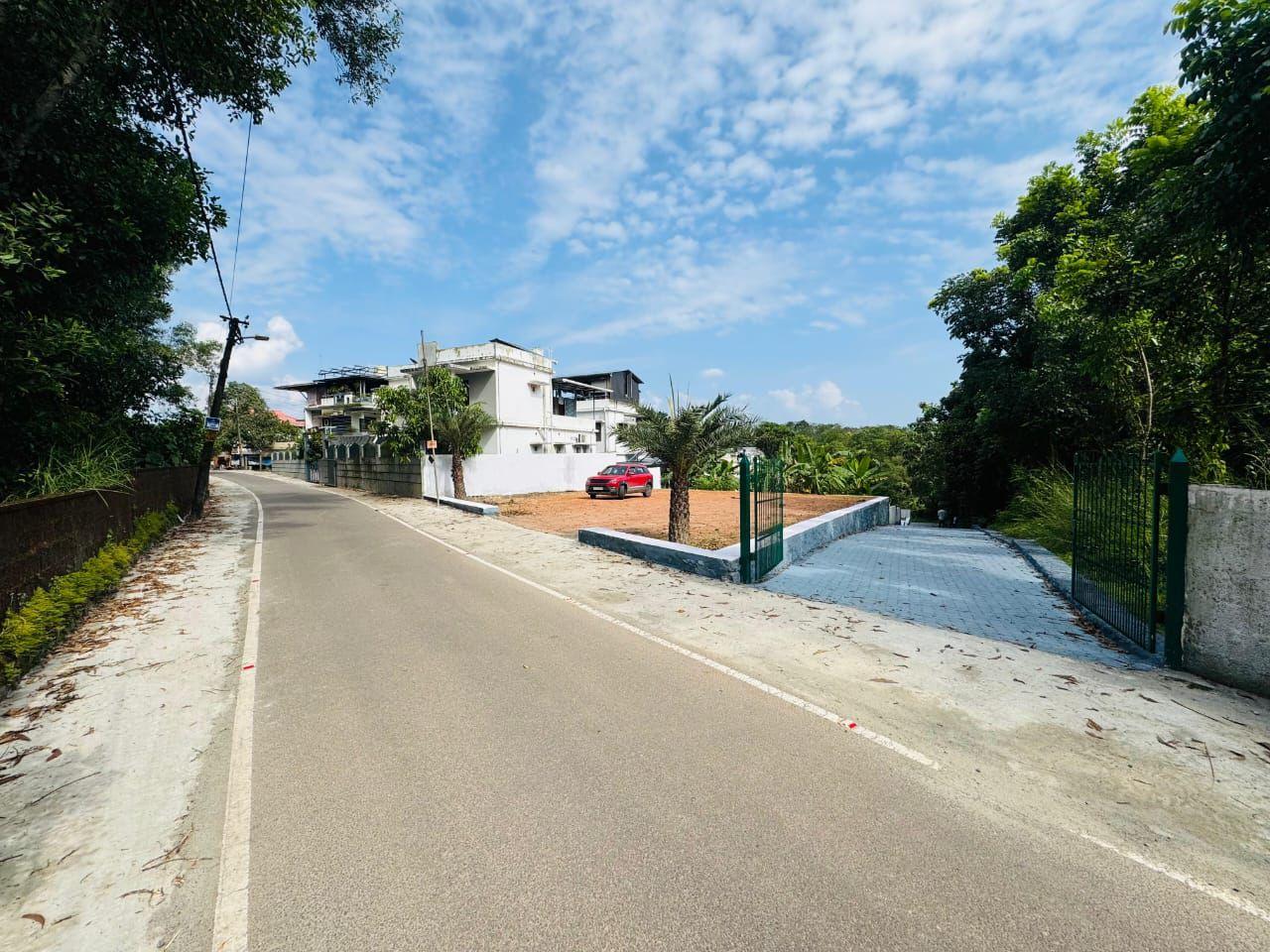
Buying land is the first major step towards building your dream home. However, choosing a plot is not just about location, price or appearance. You must also check its legal status, soil condition, road access and construction possibilities.
Buying land for house construction requires careful planning. A plot that looks perfect may have legal issues, poor drainage or restrictions on construction. These problems can lead to unexpected expenses and delays.
In this guide, we explain 12 important things to check before buying residential land in Kerala.
1. Verify the Ownership of the Land
First, confirm that the seller has the legal right to sell the property. Ask for the original title deed and previous ownership documents.
Check whether the owner’s name, survey number and land area match across the records. If the land has multiple owners, confirm that all required owners agree to the sale.
It is also wise to ask a property lawyer to verify the ownership history before making an advance payment.
2. Check the Encumbrance Certificate
An Encumbrance Certificate (EC) helps identify registered transactions and certain liabilities recorded against a property during the selected period.
It can show details such as registered sales and mortgages. However, it does not reveal every possible legal dispute or claim.
Therefore, do not depend on the EC alone. Ask a lawyer to review it along with the title deed and other property records.
3. Verify the Land Classification
Land classification is especially important in Kerala. Before purchasing, check how the property is recorded in the relevant revenue records.
Find out whether it is classified as residential, garden land, paddy land or wetland. Some categories may have restrictions on conversion and construction.
Also, check whether the property appears in the applicable paddy land or wetland data bank. Confirm its current legal status with the Village Office or relevant authority.
4. Check the Survey Number and Land Boundaries
Visit the property and compare its actual boundaries with the official survey records.
Check the survey number, subdivision number and total area. Make sure the land shown by the seller matches the records.
If the boundaries are unclear, arrange a survey with a qualified professional. This can help prevent future boundary disputes with neighbouring owners.
5. Confirm Road Access
A residential plot should have suitable and legally valid access to a public road or an approved access route.
Check the road width and the condition of the road. Also, consider whether construction vehicles, cars and emergency vehicles can reach the property.
Do not rely only on a verbal promise about road access. Ask for documents that establish the access rights.
6. Examine the Soil and Ground Condition
Soil condition affects the design, foundation and overall construction cost of a house.
Check whether the land is filled, rocky, loose or waterlogged. Also, look for signs of soil erosion, uneven ground and nearby drainage problems.
For a better understanding, arrange a soil investigation through a qualified professional. The results can help your engineer select a suitable foundation.
7. Check Flooding and Waterlogging Risks
Some areas in Kerala experience heavy rainfall, flooding and waterlogging during the monsoon.
Visit the plot during or after rainfall if possible. Ask nearby residents about previous flooding and drainage problems.
Also, check the surrounding land level and the availability of natural drainage channels. A low-lying plot may require additional site preparation and drainage work.
8. Check Water and Electricity Availability
Water and electricity are essential for comfortable living and construction work.
Find out whether a reliable water source is available. Check the possibility of a well, public water connection or another suitable supply.
Also, check the availability of an electricity connection and the distance from existing service lines. These details can affect your development budget.
9. Understand Local Building Rules
Not every plot allows the same type or size of construction. Building possibilities depend on applicable rules and the property’s location.
Before buying, ask a licensed architect or engineer to check the relevant building regulations. Important factors may include:
- Required setbacks from plot boundaries
- Permissible building area and height
- Road width requirements
- Parking provisions
- Access and drainage conditions
- Local planning restrictions
You can also use the relevant services available through Kerala’s K-SMART platform to check spatial regulations that may apply to a plot.
10. Check for Special Restrictions
Some properties may be affected by special restrictions because of their location.
For example, check whether the plot falls within or near a Coastal Regulation Zone (CRZ), airport zone, railway zone, landslide-prone area or environmentally sensitive location.
These restrictions may affect the type of construction allowed. Ask the local authority or a qualified professional to verify the property’s status before you make a decision.
11. Calculate the Total Cost of Buying and Developing the Land
Do not consider only the seller’s asking price. The actual cost may include several additional expenses.
Prepare a budget that includes:
- Land price
- Stamp duty and registration charges
- Legal verification fees
- Survey and soil testing costs
- Land clearing and levelling
- Filling and retaining wall work, if required
- Road access improvements
- Water and electricity connections
Compare the total estimated cost with your available budget. This will help you avoid financial pressure later.
12. Visit the Neighbourhood and Check Future Development
The surrounding area can affect your daily life and the future value of your property.
Check the distance to schools, hospitals, shops, public transport and other essential services. Observe noise levels, road conditions and the general cleanliness of the area.
You can also ask about planned road improvements and nearby development projects. However, verify important claims through reliable sources instead of depending only on verbal information.
Important Documents to Check Before Buying Land in Kerala
Before proceeding with a purchase, ask for the relevant property documents. The exact list may vary depending on the land and its legal status.
Commonly checked documents include:
- Original title deed and previous ownership deeds
- Encumbrance Certificate (EC)
- Latest land tax receipt
- Possession Certificate
- Location certificate and survey sketch
- Relevant Basic Tax Register (BTR) details
- Applicable land classification or data bank records
- Documents establishing legal road access, where required
Ask a property lawyer to verify the documents and confirm whether additional records are necessary for the particular plot.
How Builders Help You Choose the Right Plot
An experienced builder can help evaluate whether a plot is suitable for your proposed house.
A builder or technical team can help you understand the site condition, access, drainage, slope and likely site preparation costs. They can also coordinate with architects and engineers to assess whether your house plan may be suitable for the property.
However, legal ownership and title verification should be handled by a qualified property lawyer. A builder’s site inspection is not a substitute for legal verification.
At Buildtech Builders, careful site evaluation and construction planning can help homeowners make more informed decisions before starting a project.
Common Mistakes to Avoid When Buying Residential Land
Avoid these common mistakes:
- Buying land without checking ownership documents.
- Ignoring land classification and construction restrictions.
- Depending only on the seller’s verbal promises.
- Not checking road access and boundaries.
- Ignoring soil condition and drainage.
- Forgetting registration and development expenses.
- Paying an advance before completing essential checks.
Taking time to verify these details can help prevent costly problems in the future.
Frequently Asked Questions
1. What should I check first before buying land in Kerala?
Start by verifying the ownership, title deed, Encumbrance Certificate and land classification. Then check the boundaries, road access and construction possibilities.
2. What is an Encumbrance Certificate?
An Encumbrance Certificate is a document that shows registered transactions and certain liabilities recorded against a property for a selected period.
3. Why is land classification important in Kerala?
Land classification can affect whether construction or land conversion is permitted. Therefore, check the relevant revenue records and applicable restrictions before purchasing.
4. Is soil testing necessary before buying land?
Soil testing is strongly recommended, especially if the ground condition is uncertain. It helps engineers understand the soil and plan a suitable foundation.
5. How can I check whether land is suitable for house construction?
Check its legal status, land classification, road access, soil condition, drainage and applicable building rules. Consult an architect or engineer for a site assessment.
6. Why should I check road access before buying a plot?
Proper road access is important for daily use, construction vehicles and emergency services. You should also verify that the access is legally established.
7. Can I build a house on paddy land in Kerala?
Not automatically. Construction and conversion may be restricted by applicable laws and the property’s legal status. Confirm the position with the relevant authorities before purchasing.
8. Who can help verify land documents?
A qualified property lawyer can examine ownership and legal records. The Village Office, Sub-Registrar Office and other relevant authorities can help with official property records.
9. Should I check flood risk before buying land?
Yes. Check the area’s flood history, drainage, ground level and nearby water channels. This is particularly important in areas that experience heavy monsoon rainfall.
10. Can a builder help me select land for a house?
Yes. A builder can help assess site conditions, construction access and likely development costs. However, legal document verification should be done by a property lawyer.
Conclusion
Choosing the right plot is an important part of building a safe and comfortable home. Before buying land in Kerala, check its ownership, documents, classification, access, soil condition and construction possibilities.
Most importantly, consult a property lawyer and qualified construction professionals before completing the purchase. Proper verification and planning can help you choose land that suits your budget and future home requirements.