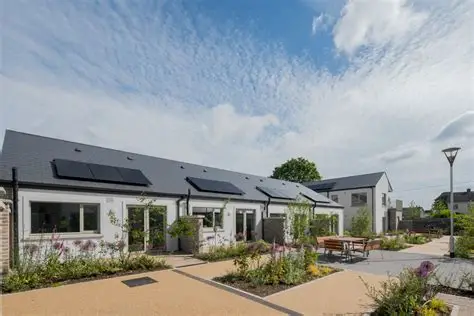
A home should provide comfort, safety and independence at every stage of life. As people grow older, their daily needs may change, making it important to design homes that are easy to access, move around and maintain. Age-friendly house design focuses on creating safe, comfortable and accessible living spaces for senior citizens.
Whether you are constructing a new house or planning to renovate an existing one, incorporating senior-friendly features can make a significant difference in everyday life.
1. Choose a Single-Floor House Design
Single-floor house designs are a practical choice for senior citizens. They reduce the need to climb stairs and make it easier to move between different rooms.
If a multi-storey house is necessary, consider installing a bedroom and bathroom on the ground floor. This provides convenient access to essential facilities.
2. Install Non-Slip Flooring
Slippery floors can increase the risk of falls, especially in bathrooms, kitchens and outdoor areas.
Choose anti-skid tiles or other slip-resistant flooring materials. Avoid uneven surfaces and unnecessary floor level differences. Proper flooring selection improves safety without compromising the appearance of the home.
3. Design Senior-Friendly Bathrooms
Bathrooms require special attention when planning an age-friendly home. Wet floors and limited support can make everyday activities difficult.
Consider including:
- Grab bars near toilets and showers.
- Anti-skid bathroom tiles.
- Walk-in showers with minimal floor barriers.
- Adequate lighting and ventilation.
- Easy-to-use taps and shower controls.
These features improve bathroom safety and make personal care more comfortable.
4. Provide Wider Doorways and Easy Access
Narrow doorways and passageways can create difficulties for people using walking sticks, walkers or wheelchairs.
Builders should consider wider doorways, spacious corridors and step-free entrances. Ramps with suitable gradients and handrails can also improve accessibility.
5. Ensure Proper Lighting and Ventilation
Good lighting is essential for senior citizens, particularly in staircases, corridors, bathrooms and entrance areas.
Use bright, glare-controlled lighting and provide sufficient natural light wherever possible. Proper ventilation also helps maintain a fresh and comfortable indoor environment.
6. Install Handrails and Safety Support
Handrails provide additional support while walking or using stairs. Install sturdy handrails along staircases and ramps.
For multi-storey houses, consider additional safety features such as anti-slip stair surfaces, adequate staircase lighting and clearly visible step edges.
7. Create Comfortable Bedrooms and Living Spaces
Bedrooms and living areas should be designed for easy movement and everyday convenience.
Consider:
- Adequate space around beds and furniture.
- Easily accessible electrical switches.
- Conveniently positioned storage.
- Comfortable seating arrangements.
- Bedrooms located close to bathrooms.
A clutter-free layout can reduce obstacles and improve mobility.
8. Plan an Accessible Kitchen
A senior-friendly kitchen should make cooking and daily activities easier.
Provide sufficient movement space, easily reachable storage shelves and convenient worktop heights. Avoid placing frequently used items in very high or low cabinets.
9. Include Smart Home Safety Features
Modern technology can improve the safety and convenience of senior-friendly homes.
Builders can consider installing emergency alert systems, motion-sensor lights, video doorbells and easily accessible security controls. These features can provide additional peace of mind for residents and their families.
10. Plan for Future Needs During Construction
Age-friendly features are easier and often more economical to incorporate during the initial construction stage than to add later.
Homeowners should discuss accessibility requirements with architects and builders before finalising the house plan. Proper planning helps create a home that remains comfortable and functional as family needs change.
Frequently Asked Questions (FAQs)
1. What is age-friendly house design?
Age-friendly house design focuses on creating safe, accessible and comfortable living spaces that support the daily needs of senior citizens.
2. What are the important features of a senior-friendly home?
Important features include non-slip flooring, wider doorways, accessible bathrooms, handrails, proper lighting and spacious walking areas.
3. Which type of house is best for senior citizens?
A single-storey house is often a suitable choice because it reduces the need to climb stairs and provides easier access to essential rooms.
4. Why is non-slip flooring important in elderly-friendly homes?
Non-slip flooring helps reduce the risk of slipping and falling, especially in bathrooms, kitchens and other frequently used areas.
5. How can builders make bathrooms safer for elderly people?
Builders can install grab bars, anti-skid tiles, walk-in showers, proper lighting and easy-to-use bathroom fittings.
6. Are ramps necessary in age-friendly house designs?
Ramps provide easier access for people using wheelchairs, walkers or walking sticks. They are especially useful at entrances and level changes.
7. How does proper lighting improve home safety for senior citizens?
Proper lighting improves visibility in corridors, staircases, bathrooms and bedrooms, helping senior citizens move around more safely.
8. Can modern technology improve senior-friendly homes?
Yes. Motion-sensor lights, emergency alert systems, video doorbells and smart security systems can improve convenience and safety.
9. When should age-friendly features be included in house construction?
It is best to include these features during the initial planning and construction stages to avoid expensive modifications later.
10. How can builders help create comfortable homes for senior citizens?
Builders can work with architects and homeowners to plan accessible layouts, safe flooring, suitable bathrooms and comfortable living spaces.
Conclusion
Age-friendly house design is about creating homes that support safety, independence and comfort. From non-slip flooring and accessible bathrooms to wider doorways and proper lighting, every design decision can improve the quality of everyday living for senior citizens.
At [Builder Company Name], we believe that a well-planned home should meet the needs of every generation. Thoughtful construction and modern design can help create a safe and comfortable living environment for years to come.