
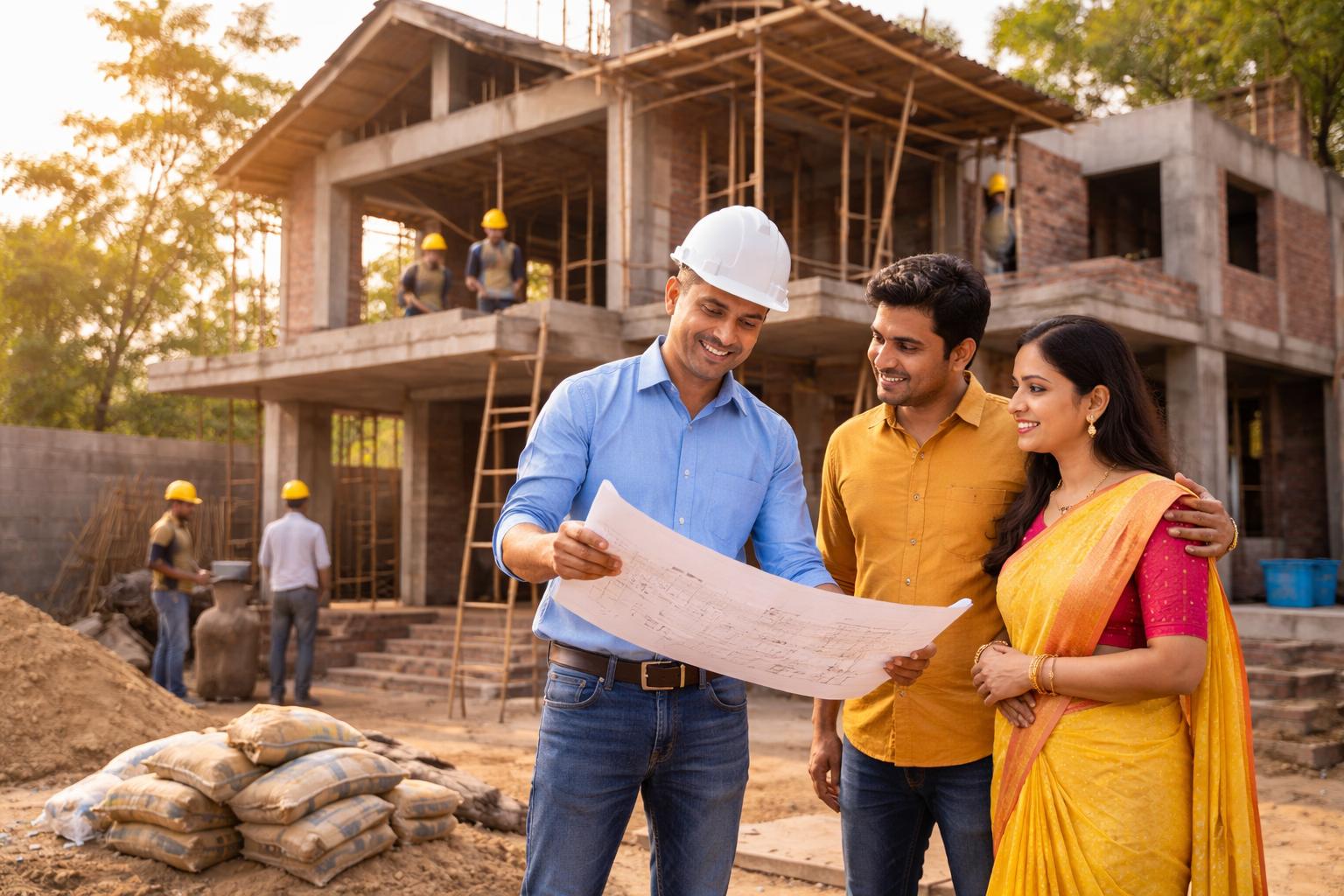
Building or buying a home is one of the most important decisions in a person’s life. It involves careful planning, financial investment, and selecting the right construction professionals. Many homebuyers have questions about construction quality, building materials, project costs, legal approvals, and choosing a reliable builder.
Proper homebuyer and client education helps people understand the construction process and make informed decisions. Whether you are planning to build a new house or purchase a completed property, knowing the important factors can help you avoid common mistakes.
1. Understand Your Home Construction Requirements
Before starting a construction project, homeowners should clearly understand their requirements and expectations.
Consider the following factors:
- Number of bedrooms and bathrooms required.
- Preferred house design and architectural style.
- Available land area and location.
- Family requirements and future needs.
- Budget and construction timeline.
Having a clear plan helps homeowners communicate their expectations to builders and architects.
2. Choose the Right Builder
Selecting a professional and experienced builder is an important step in any construction project. A reliable builder can help maintain construction quality, manage the project, and complete the work according to the agreed requirements.
Before selecting a builder, consider:
- Previous construction projects and experience.
- Customer reviews and recommendations.
- Quality of materials used.
- Transparency in pricing and agreements.
- Project management and communication.
- Relevant registrations, approvals, and qualifications.
Homeowners should compare different builders before making their final decision.
3. Understand Construction Costs and Budget Planning
Construction costs depend on several factors, including building size, design, materials, labour charges, and location.
Homebuyers should prepare a realistic budget that includes:
- Land preparation and foundation work.
- Building materials such as cement, steel, sand, and bricks.
- Labour and contractor charges.
- Electrical and plumbing installations.
- Interior and exterior finishing.
- Approvals, professional fees, and other applicable expenses.
It is also important to keep an additional budget for unexpected expenses during construction.
4. Check Building Quality and Materials
The quality of construction materials directly affects the strength, durability, and safety of a building.
Homeowners should understand the importance of commonly used construction materials:
- Cement: Provides strength and bonding in concrete and masonry.
- Steel: Supports structural strength and reinforcement.
- Bricks and blocks: Used for constructing strong walls.
- Sand and aggregates: Essential components of concrete and mortar.
Always discuss material specifications and quality standards with the builder before construction begins.
5. Know the Importance of Legal Approvals and Documents
Before purchasing land or starting construction, homeowners should understand the legal requirements and necessary approvals.
Important documents and checks may include:
- Land ownership and title documents.
- Land-use and zoning requirements.
- Approved building plans and permits.
- Applicable local authority approvals.
- Construction agreements and payment terms.
- Completion and occupancy certificates, where applicable.
Requirements may vary depending on the location and type of property. Buyers should consult qualified professionals and verify documents with the relevant authorities.
6. Maintain Communication with Your Builder
Good communication between homeowners and builders helps prevent misunderstandings and project delays.
Clients should:
- Discuss project requirements clearly.
- Request regular construction updates.
- Review progress at important stages.
- Confirm design or material changes in writing.
- Maintain records of payments and agreements.
- Discuss concerns with the project team promptly.
Regular communication creates transparency and builds trust throughout the construction process.
7. Avoid Common Home Construction Mistakes
Many homeowners face problems because of insufficient planning or a lack of construction knowledge.
Some common mistakes to avoid include:
- Selecting a builder based only on the lowest quotation.
- Ignoring construction quality and material specifications.
- Starting construction without necessary approvals.
- Not preparing an appropriate budget.
- Making frequent design changes during construction.
- Not reviewing project progress regularly.
Understanding these mistakes can help homeowners make better decisions and manage their projects effectively.
Frequently Asked Questions (FAQs)
1. What should I consider before building a new house?
Before building a new house, consider your budget, land location, house design, family requirements, construction materials, and necessary building approvals.
2. How do I choose the right builder for my home?
Choose a builder based on their experience, previous projects, customer reviews, construction quality, pricing transparency, and ability to meet your requirements.
3. How much does it cost to construct a house?
The cost of house construction depends on the location, building size, design, materials, labour charges, and finishing requirements. Request a detailed quotation from your builder before starting.
4. Why is construction material quality important?
Quality construction materials improve the strength, durability, and safety of a building. Always discuss material specifications and quality standards with your builder.
5. What documents are required before starting house construction?
Commonly required documents may include land ownership records, approved building plans, building permits, and other local authority approvals. Requirements vary depending on the location and project.
6. How can I monitor my house construction progress?
You can monitor construction progress through regular site visits, discussions with the builder, progress photographs, milestone inspections, and reviewing project updates.
7. Why is a construction agreement important?
A construction agreement clearly explains the project scope, estimated cost, payment schedule, materials, responsibilities, and expected completion timeline. It helps prevent misunderstandings between homeowners and builders.
8. Can I make changes to my house design during construction?
Yes, design changes may be possible, but they should be discussed with your builder and architect. Changes can affect the project cost, construction schedule, and technical requirements. Obtain approval where necessary before proceeding.
Conclusion
Homebuyer and client education plays an important role in successful home construction. Understanding construction requirements, choosing the right builder, planning the budget, checking material quality, and verifying legal documents can help homeowners make confident decisions.
An informed client can communicate better with construction professionals and achieve a home that meets their expectations for quality, safety, and comfort. Before starting your next construction project, take time to learn, plan, and choose the right building partner.