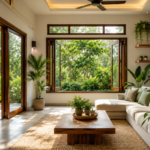
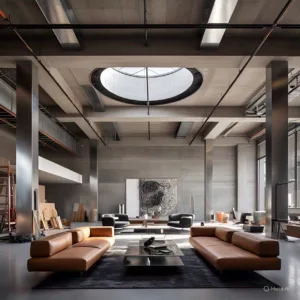
Interior finishing is the final step in construction or renovation that defines the look, feel, and function of an indoor space. It combines aesthetics with practical detailing, ensuring a refined appearance and a high-quality, usable environment.
1. Components of Interior Finishing
A. Wall Finishes
- Paint & Coatings: From emulsion to enamel and specialty coatings (e.g., antibacterial or low-VOC).
- Wall Panels & Cladding: PVC, wooden, stone, and composite panels for decorative or acoustic performance.
- Plaster & Putty: Smooth surface preparation using gypsum or cement-based plasters.
B. Ceiling Systems
- False Ceilings: Gypsum, metal, and mineral fiber boards for design and sound control.
- Cove Lighting & Recessed Features: Enhances ambience through hidden lighting systems.
C. Flooring Solutions
- Tiles: Ceramic, porcelain, vitrified, and natural stone for durability and elegance.
- Wood & Laminates: Engineered wood or laminate flooring for warm, natural aesthetics.
- Resilient Flooring: Vinyl, rubber, and epoxy floors for high-traffic or specialized areas.
D. Fixtures and Fittings
- Doors & Windows: Installation of finished doors with hardware, locks, and trims.
- Cabinetry: Modular kitchen units, wardrobes, and storage systems with tailored finishes.
- Lighting Fixtures: Final integration of chandeliers, downlights, pendant lights, and smart systems.
E. Decorative Elements
- Cornices, Mouldings & Skirtings: For transitions between walls, floors, and ceilings.
- Feature Walls & Murals: Artistic applications for standout visual impact.
2. Technical Considerations
- Thermal & Acoustic Insulation: Selection of materials to improve energy efficiency and reduce noise.
- Surface Preparation: Essential for adhesion, longevity, and resistance to environmental factors.
- Moisture Resistance: Key in bathrooms, kitchens, and basements; includes waterproofing membranes.
- Fire Retardancy: Use of certified materials that meet local fire safety codes.
3. Interior Finishing Process
- Site Assessment & Design Coordination
- Surface Preparation (Cleaning, Priming, Leveling)
- Material Application (Tiles, Paint, Panels, Fixtures)
- Final Touches (Polishing, Cleaning, Inspection)
4. Key Benefits
- Enhanced Visual Appeal: Elevates the ambiance and character of indoor spaces.
- Customization: Finishes tailored to client preferences and design themes.
- Durability: Resistant to wear, moisture, and daily usage.
- Ease of Maintenance: Smooth, sealed surfaces for simple cleaning and upkeep.
- Property Value Addition: Increases marketability and resale value. http://interior finishing
5. Common Applications by Sector
| Sector | Application Example |
|---|---|
| Residential | Living rooms, kitchens, bedrooms |
| Commercial | Lobbies, office cubicles, restrooms |
| Hospitality | Hotel suites, banquet halls, lounges |
| Healthcare | Clinics, labs, patient rooms |
| Education | Classrooms, libraries, admin off |