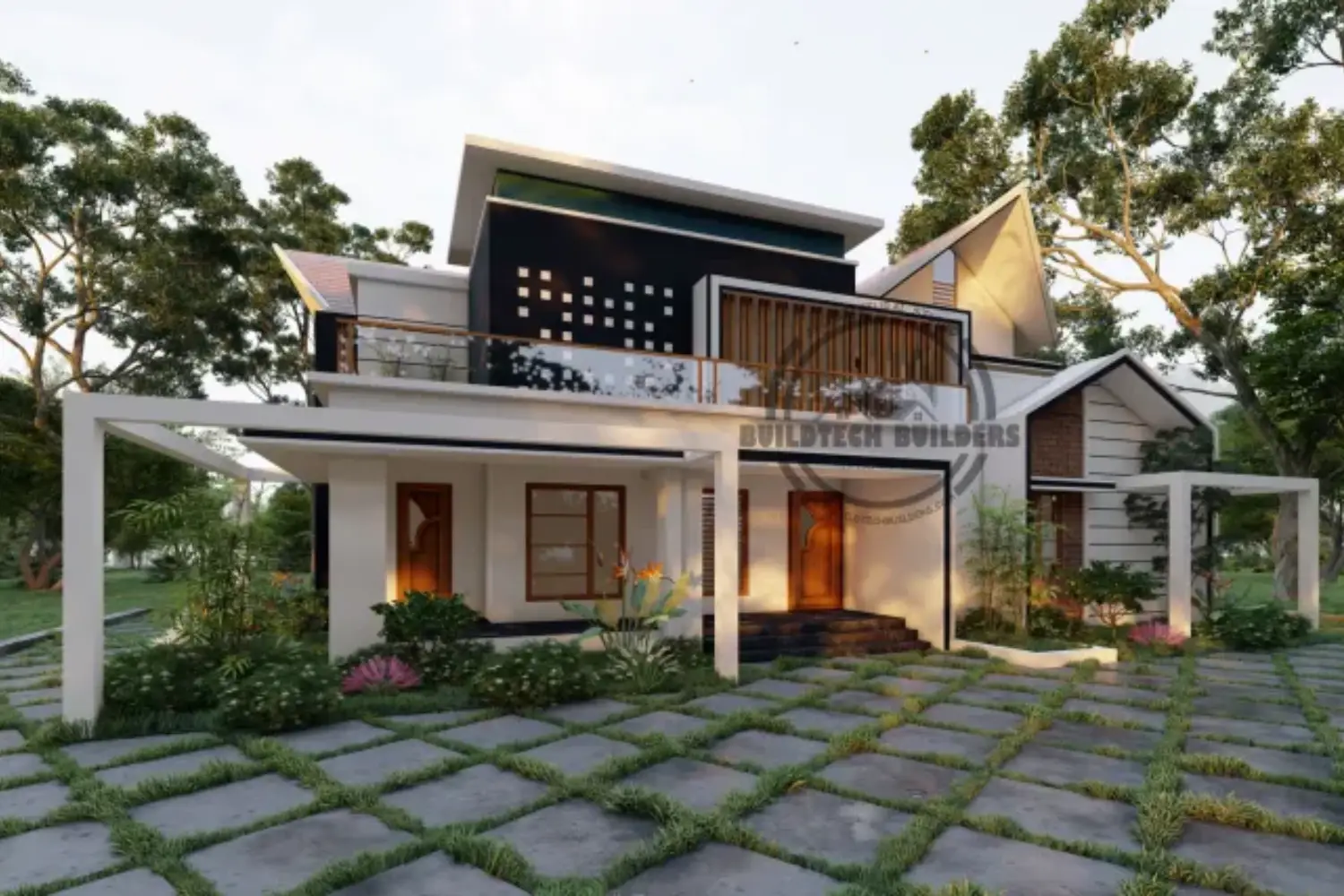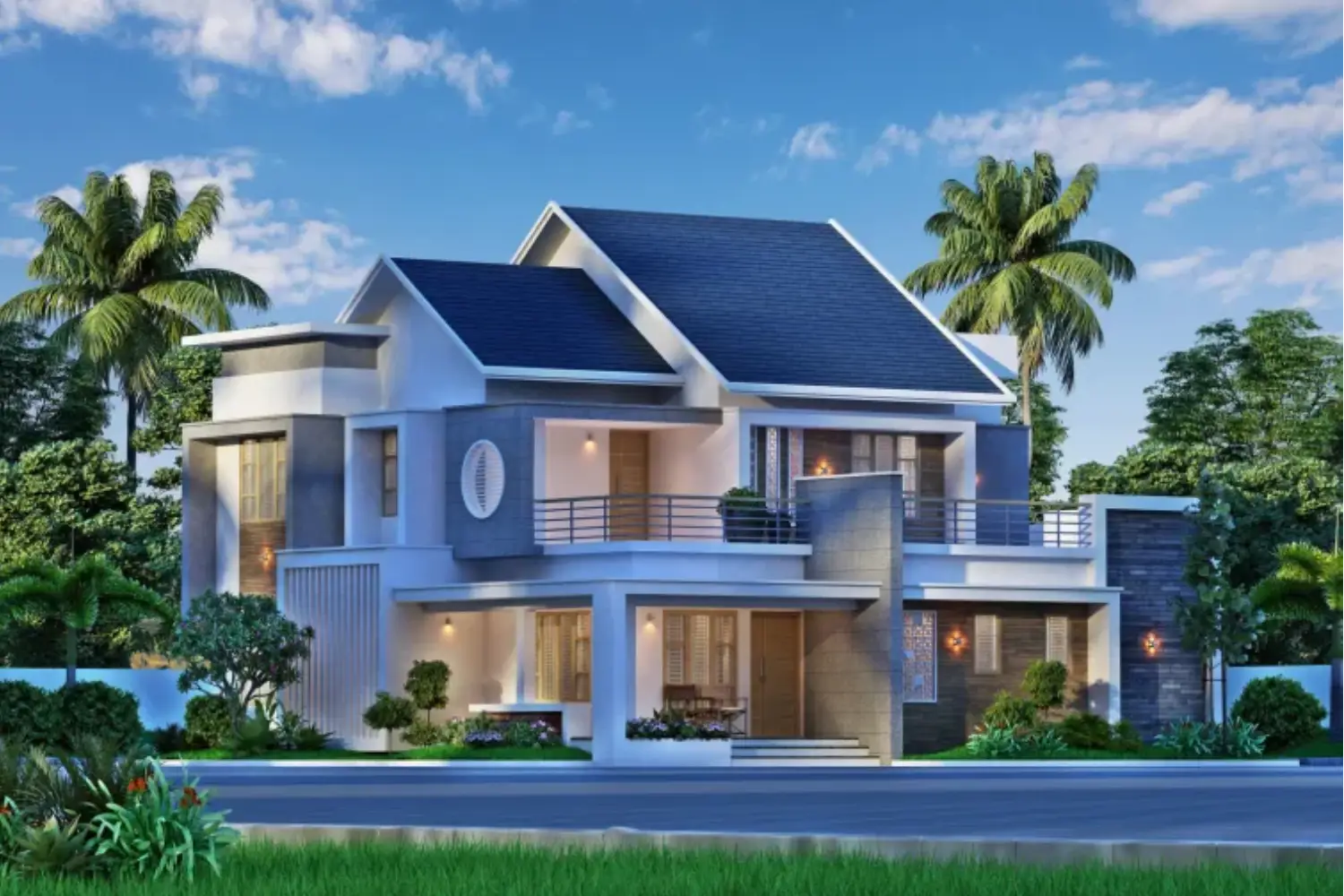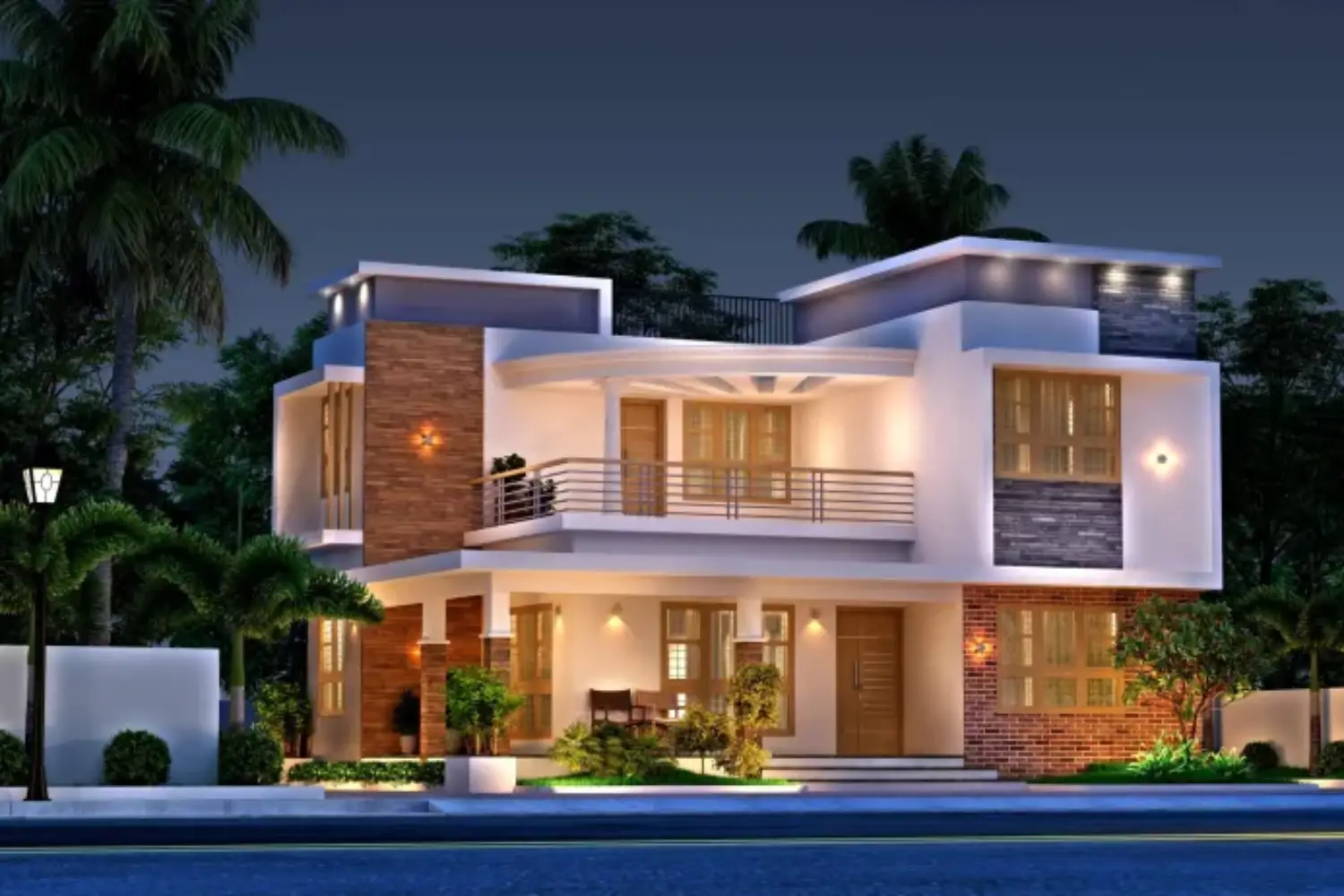
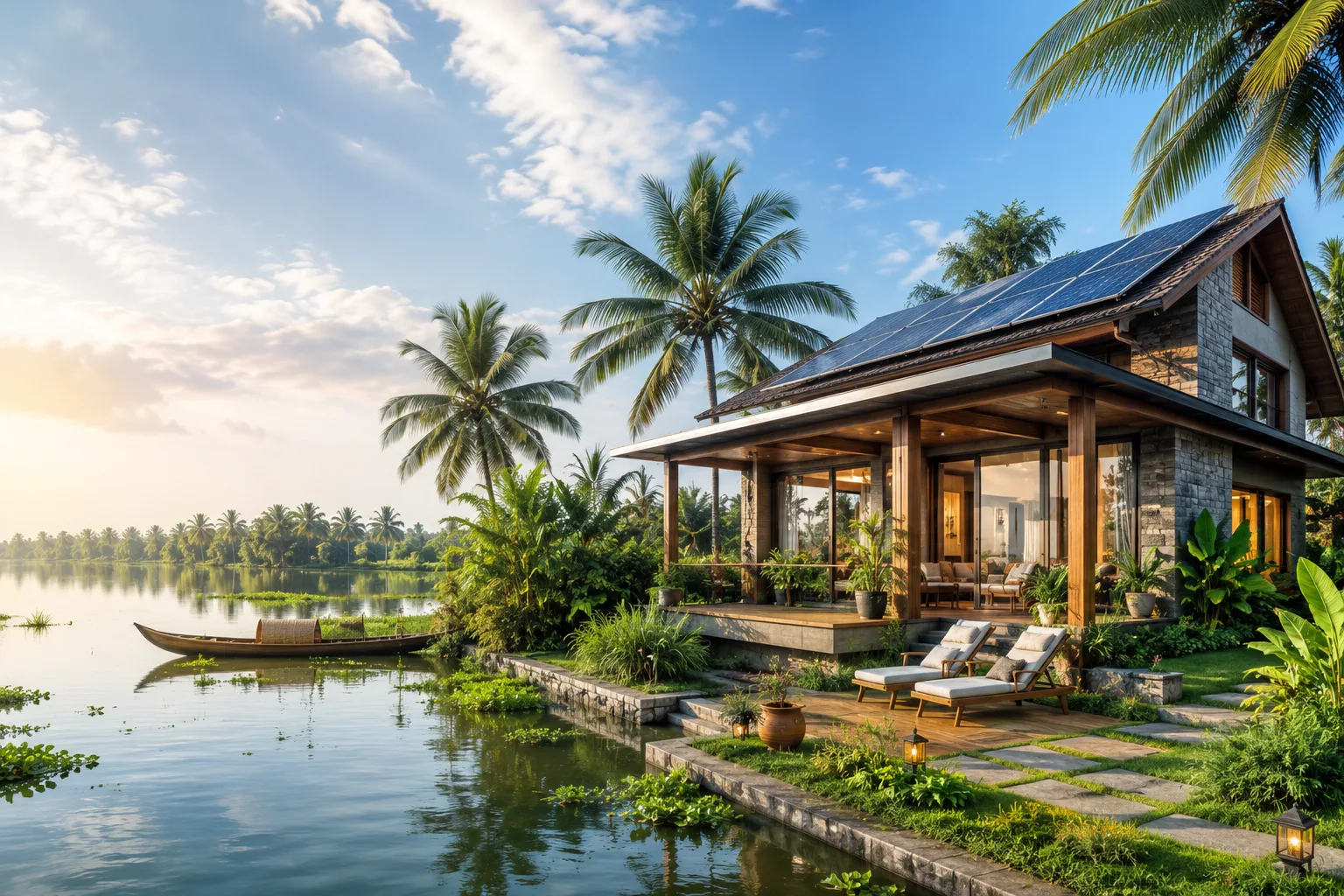
Kerala’s backwaters—a serene network of lagoons and lakes flanked by lush greenery—are more than just a tourist hotspot; they are a prime real estate frontier. For investors and developers, constructing a holiday home here offers high rental yields. However, building in this ecologically sensitive zone requires navigating strict regulations.
Here is your guide to the opportunities and the legal checklist for building in “God’s Own Country.”

Why Invest in a Backwater Holiday Home?
The demand for experiential travel is skyrocketing. Tourists are moving beyond hotels toward private villas and eco-lodges. With Kerala welcoming record domestic footfall, a well-designed holiday home offers an excellent ROI through platforms like Airbnb, especially during the peak monsoon and winter seasons.
Unlike cramped city apartments, backwater properties offer exclusivity. Waterfront living is a finite resource, making land along the Vembanad Lake or Ashtamudi Lake highly valuable. Recent acquisitions by luxury chains prove that this market is only getting hotter.
Navigating the Regulations (CRZ & RERA)
Before you break ground, you must comply with the Coastal Regulation Zone (CRZ) norms and the Real Estate (Regulation and Development) Act (RERA).
Under current guidelines, construction is heavily restricted near water bodies. For backwaters, the “setback distance” is usually 100 meters from the High Tide Line (or the width of the water body, whichever is less). In some specified areas, this may be relaxed to 50 meters, but this is strictly for specific dwelling units.
Your Checklist:
- CRZ Clearance: Ensure the land is not in CRZ-I (ecologically sensitive). Construction is often permitted only in CRZ-III zones with conditions.
- RERA Registration: Any project with villas or apartments must be registered with the Kerala RERA to ensure transparency and buyer safety.
The “Green” Mandate: Eco-Construction is Mandatory
Kerala is strict about ecology. Your holiday home must feature scientific waste management; discharging sewage directly into the backwaters is a criminal offense. You must install septic tanks or bio-toilets.
To align with the Kerala Tourism Department’s “Green Palm” standards, developers should:
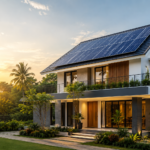
- Use solar power for heating and lighting.
- Avoid plastic and polythene.
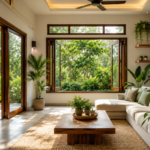
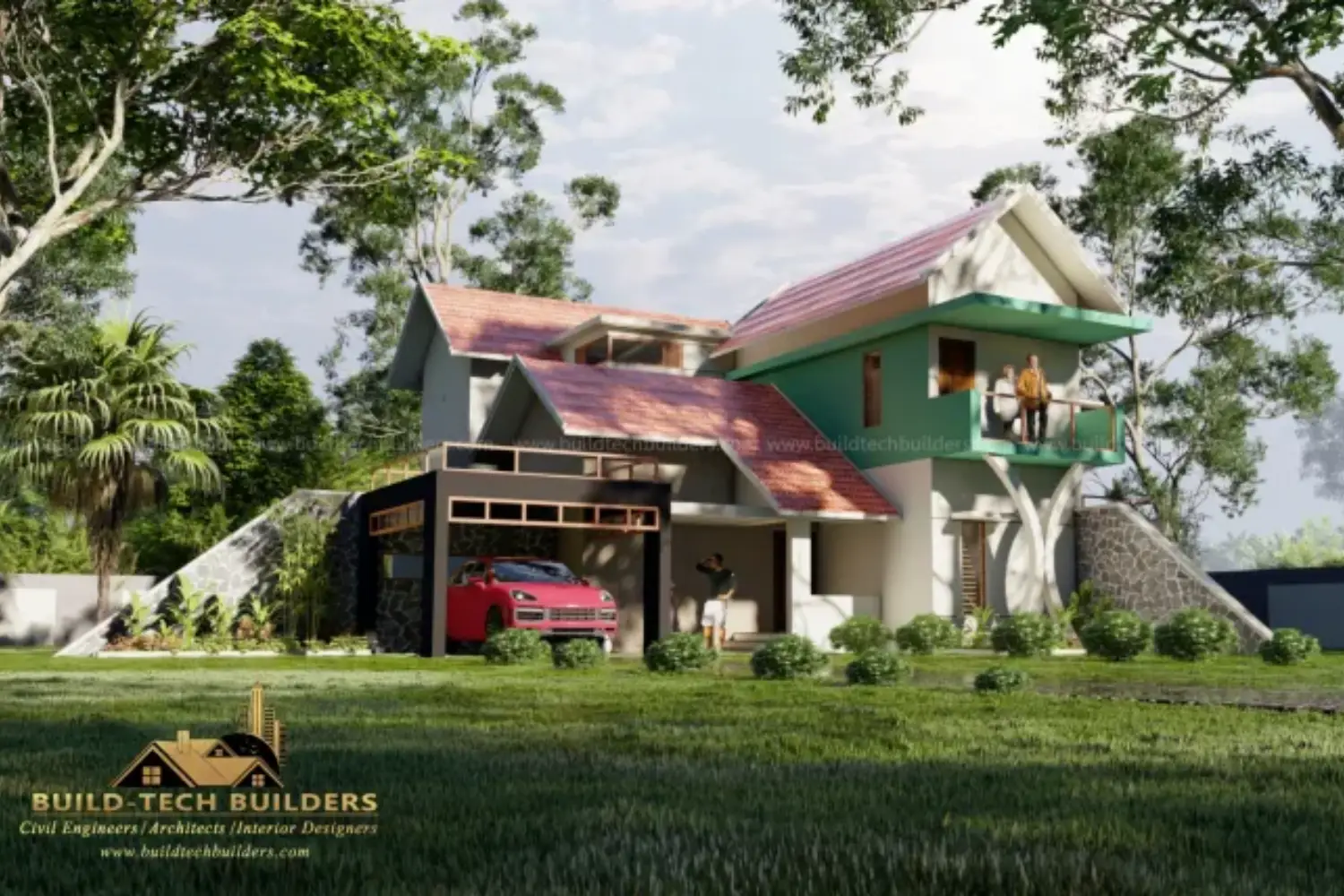
- Employ local materials like wood and stone for an authentic look.
Emerging Opportunities: Beyond the Houseboat
While houseboats are famous, the government is pushing for land-based accommodations. The proposed K-Homes project aims to convert vacant residential buildings into certified tourism units, easing the approval process for homestays. Additionally, areas like Kollam and Ashtamudi are being decongested to promote development in less crowded, scenic regions.
Final Thoughts
Building a holiday home in Kerala’s backwaters is a lucrative dream, but it requires respect for the law and nature. By prioritizing sustainable materials and obtaining the correct coastal zone permits, you can build an asset that appreciates in value while preserving the beauty that makes Kerala famous.
Looking to build your eco-friendly retreat? Ensure your construction partner understands local zoning laws and sustainable architecture.
Turn your backwater vision into a compliant reality. Call now Buildtech