
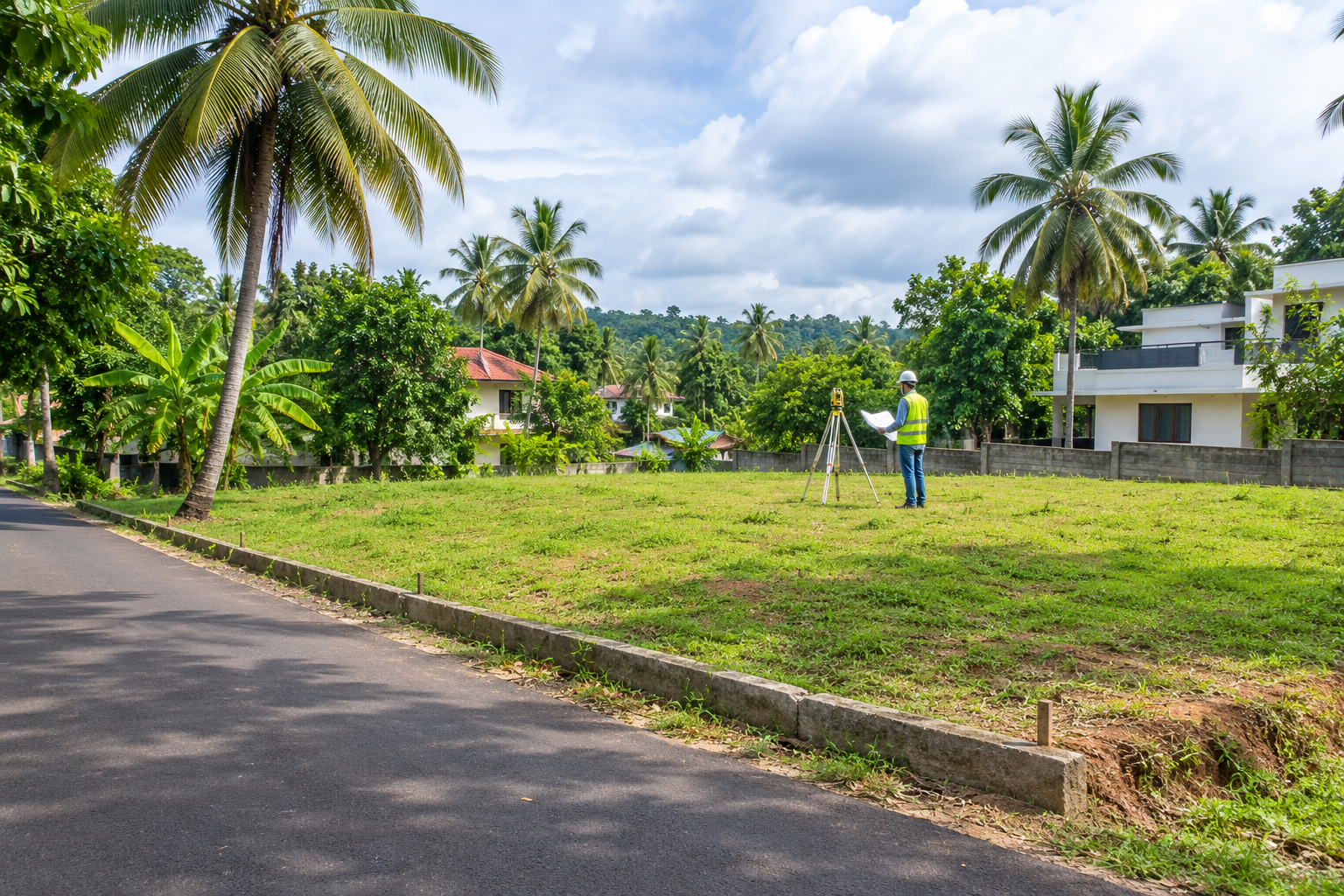
Building a dream home is one of the biggest investments in life, and choosing the right plot is the first important step towards making it a reality. In Kerala, selecting suitable land requires careful consideration of several factors, including location, soil quality, accessibility, drainage, legal documentation and future development.
A plot that looks attractive may not always be suitable for house construction. Factors such as waterlogging during monsoons, land classification, road access and local building regulations can affect the construction process and overall cost.
Whether you are planning to build a traditional Kerala-style house or a modern home, selecting the right plot can help you avoid unexpected expenses and construction difficulties. In this guide, we will explore the important factors to consider before purchasing land for house construction in Kerala.
1. Choose a Suitable Location
Location is one of the most important factors when selecting a residential plot. A well-connected and convenient location can make everyday life easier while also improving the long-term value of your property.
Before purchasing land, consider its distance from essential facilities such as schools, hospitals, supermarkets, public transportation and workplaces.
Also, check the neighbourhood, road connectivity and availability of basic facilities. Choosing a peaceful residential area with convenient access to essential services can make your future home more comfortable.
2. Check the Soil Quality and Land Condition
Soil quality plays an important role in determining the strength, stability and foundation requirements of a building. Not all plots have the same soil conditions, particularly in Kerala, where the terrain varies between coastal areas, lowlands, plains and hilly regions.
Before finalising a plot, consider:
Soil type and bearing capacity.
Groundwater level.
Possibility of soil erosion.
Stability of the land.
Whether the plot requires filling or additional groundwork.
It is advisable to arrange a soil investigation through a qualified professional before construction. A proper soil test can help engineers determine the appropriate foundation design and avoid unnecessary structural expenses.
3. Check the Land Classification and Legal Status
One of the most important steps when purchasing land in Kerala is verifying its legal status and land classification.
Certain plots may be recorded as paddy land or wetland, which can involve restrictions on land conversion, filling and construction. Therefore, never assume that a plot is suitable for residential construction simply because houses already exist nearby.
Before purchasing, verify:
Land classification in the relevant revenue records.
Whether the survey number appears in the applicable Paddy Land and Wetland Data Bank.
Ownership and title documents.
Encumbrance Certificate (EC).
Latest land tax receipt.
Possession certificate and survey records.
Consult a qualified property lawyer and verify the documents with the relevant Village Office and local authorities. This can help prevent legal complications in the future.
4. Ensure Proper Road Access
Good road connectivity is essential for comfortable living and smooth construction activities.
A plot should have legally established access to a public road or a properly documented right of way. This is particularly important when transporting construction materials, machinery and equipment to the site.
Consider the following:
Road width and accessibility.
Legal ownership or right of access.
Space for construction vehicles.
Drainage facilities along the road.
Possible future road-widening proposals.
Also, check the applicable building rules for access requirements based on the proposed building and plot.
5. Examine Flood Risk and Drainage Facilities
Kerala receives considerable rainfall during the monsoon season. Therefore, checking the drainage conditions and flood history of a plot is extremely important.
A plot that appears dry during summer may experience waterlogging during heavy rainfall.
Before purchasing land, check whether:
The area has experienced flooding in previous monsoons.
The plot is located near a river, canal, stream or backwater.
There are proper drainage channels nearby.
Rainwater can flow away from the property.
The surrounding land is significantly lower than the plot.
If possible, visit the location during or immediately after heavy rainfall. Also, consult local residents to understand the area’s waterlogging and flood history.
6. Check the Plot Size, Shape and Orientation
The size and shape of the plot influence how effectively you can plan your home.
A properly shaped plot can provide more flexibility when arranging bedrooms, living spaces, parking areas, gardens and outdoor facilities.
Consider these factors:
Total plot area and dimensions.
Frontage and depth.
Shape and boundary measurements.
Available space for parking.
Natural light and ventilation.
Scope for future expansion.
Also, discuss the plot with an architect before purchasing it. A professional can help determine whether your preferred house design can fit comfortably within the available buildable area.
7. Verify Local Building Regulations and Permissions
Every residential plot must satisfy the applicable building regulations and land-use requirements before construction.
In Kerala, the applicable rules may differ depending on whether the property falls within a municipality or a panchayat area. Local master plans, zoning restrictions and other applicable regulations may also influence construction possibilities.
Before finalising the purchase, check:
Whether residential construction is permitted.
Applicable building setbacks.
Permitted building coverage and floor area.
Road access requirements.
Height and other construction restrictions.
Any applicable coastal or environmentally sensitive area restrictions.
Consult the local authority or a qualified architect to understand the requirements for your particular survey number and proposed building.
8. Consider the Availability of Basic Utilities
A suitable residential plot should have access to essential utilities that support everyday living.
Check the availability of:
Electricity connections.
Drinking water supply.
Groundwater or well facilities, where suitable.
Proper sewage and wastewater disposal arrangements.
Mobile network and internet connectivity.
Stormwater drainage.
If these facilities are not readily available, estimate the additional cost and effort required to arrange them before making your decision.
9. Evaluate the Total Cost of the Plot
The purchase price is not the only expense associated with buying land. Some plots may require additional investment before construction can begin.
Consider expenses such as:
Land registration and applicable taxes.
Legal verification and documentation.
Soil testing.
Land levelling and filling.
Retaining walls, if required.
Drainage improvements.
Access road development.
Utility connections.
Compare different plots based on their overall suitability and total development cost rather than choosing the cheapest option.
10. Think About Future Development and Property Value
A residential plot should meet your current requirements while also offering long-term benefits.
Before purchasing, consider the future development of the surrounding area. New roads, educational institutions, hospitals and commercial facilities may improve accessibility and property demand.
However, also check whether nearby developments could create noise, traffic congestion or environmental concerns.
Choosing a plot in a developing but suitable residential area can be a valuable long-term decision.
Common Mistakes to Avoid When Selecting a Plot
Even an attractive plot can create difficulties if important checks are ignored. Avoid these common mistakes:
Purchasing land without verifying ownership documents.
Ignoring paddy land or wetland classification.
Choosing a plot without proper legal road access.
Overlooking flood history and drainage conditions.
Skipping soil investigation.
Not checking local building regulations.
Underestimating land development expenses.
Purchasing without consulting a qualified professional.
Taking time to verify these factors can help you make a more informed decision.
Frequently Asked Questions (FAQs)
1. What should I check before buying a plot for house construction in Kerala?
Before purchasing a plot, check its soil quality, land classification, ownership documents, road access, drainage facilities, flood history and availability of basic utilities. Also, verify whether residential construction is permitted on the property.
2. How can I check whether a plot is suitable for house construction?
You should arrange a soil investigation, examine the land’s physical condition and verify its legal status. Consulting an architect or civil engineer can help determine whether the plot is suitable for your proposed house design.
3. Why is soil testing important before purchasing land?
Soil testing helps determine the soil’s bearing capacity, groundwater conditions and suitability for different foundation types. It allows engineers to plan an appropriate foundation and estimate potential groundwork expenses.
4. How do I check whether land is classified as paddy land in Kerala?
You can verify the land classification through relevant revenue records and the Kerala Paddy Land and Wetland Data Bank. Consult the Village Office and local authorities to confirm the property’s status and applicable restrictions before purchasing.
5. Is road access important when selecting a residential plot?
Yes. Proper road access is essential for transporting construction materials, allowing emergency vehicle access and ensuring convenient daily transportation. Always verify the legal right of access and applicable road-width requirements.
6. How can I identify flood-prone plots in Kerala?
Check the area’s previous flood records, nearby water bodies, drainage conditions and surrounding ground levels. Visiting the property during the monsoon and speaking with local residents can also provide useful information.
7. Does the shape of a plot affect house construction?
Yes. The plot’s shape, frontage, depth and dimensions influence building layout, parking arrangements, ventilation and available open space. A properly shaped plot generally provides greater flexibility in architectural planning.
8. What documents should I verify before purchasing land in Kerala?
Important documents include the title deed, Encumbrance Certificate, latest land tax receipt, possession certificate, survey records and relevant land classification records. A qualified property lawyer should verify the documents before completing the purchase.
9. Should I consult an architect before buying a plot?
Yes. An architect can assess the plot’s dimensions, orientation, access, setbacks and applicable building regulations. This helps you understand whether your preferred house design can be accommodated on the property.
10. What additional costs should I consider when purchasing a plot?
Apart from the land price, consider registration expenses, legal verification, soil testing, land levelling, filling, retaining walls, drainage improvements and utility connections. These expenses can significantly affect your overall project budget.
Conclusion
Selecting the right plot is the foundation of a successful house construction project. From checking soil quality and legal documents to evaluating road access, drainage and future development, every factor plays an important role in determining the suitability of a residential property.
For homeowners planning to build in Kerala, careful land selection can reduce construction challenges, control additional expenses and provide a strong starting point for a comfortable home.
At Build Tech Builders, we believe that every successful home begins with the right planning and the right foundation. Take the time to evaluate your land carefully and consult experienced professionals before making your final decision.