When building or renovating a home, selecting the right material for furniture, cabinets, doors, and interiors is just as important as choosing the right construction partner. When planning a new home or renovating an existing one, many homeowners find it challenging to decide between plywood and solid wood.
Both materials offer unique benefits, but the right choice depends on your budget, design preferences, durability requirements, and where the material will be used.
At Buildtech Builders, we believe that informed decisions lead to stronger, longer-lasting homes. In this guide, we’ll compare plywood vs solid wood to help you choose the best option for your dream home
Why Choosing the Right Material Matters
Wood plays a major role in the beauty, strength, and longevity of a home. From kitchen cabinets and wardrobes to doors and furniture, the material you select affects:
- Durability
- Maintenance
- Cost
- Appearance
- Moisture resistance
- Overall property value
Choosing the right material at the beginning of your project can save both time and money in the long run.
What Is Plywood?
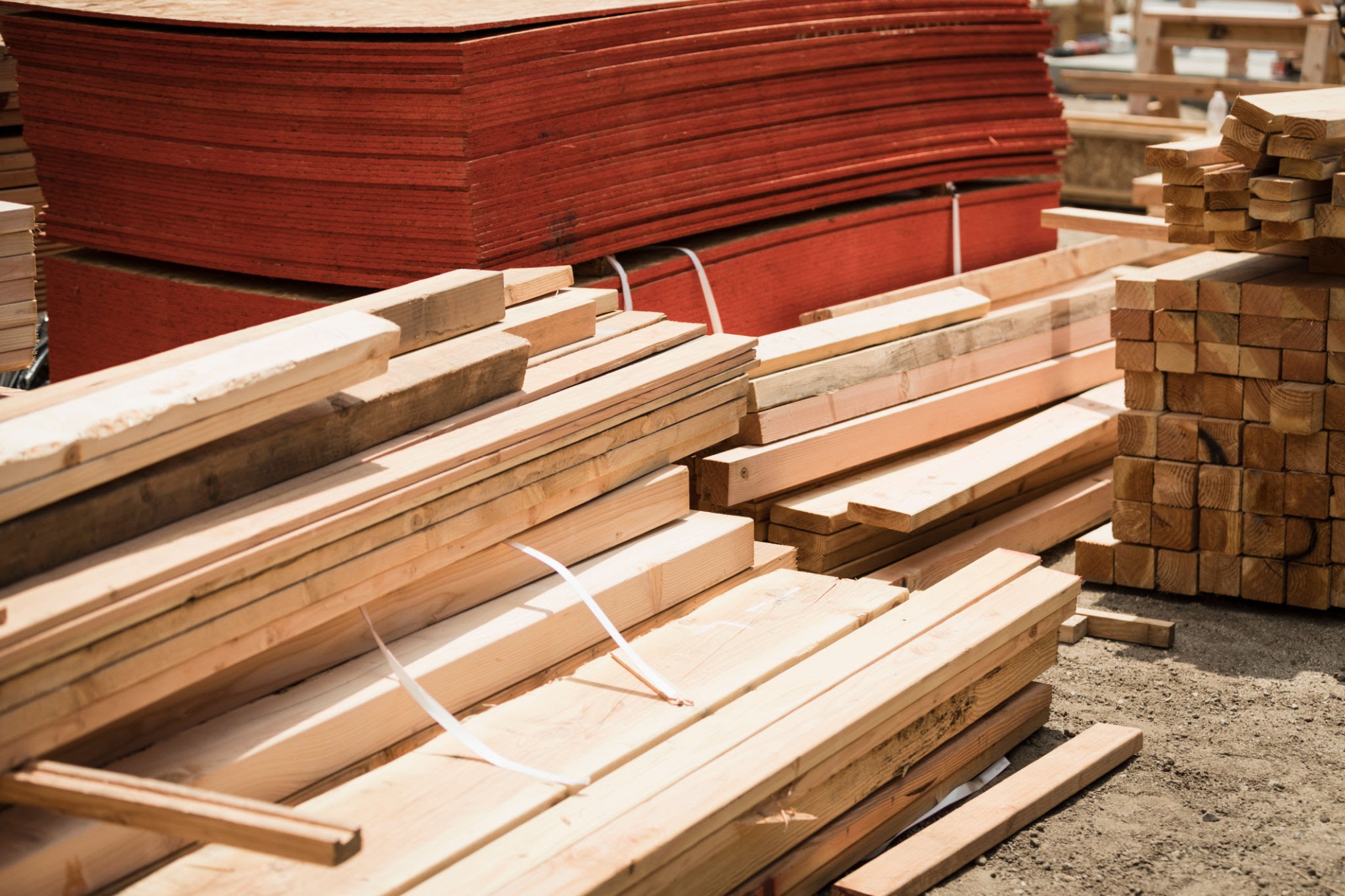
Plywood is a manufactured wood panel created by bonding several thin sheets of natural wood veneer under high pressure, resulting in a strong and stable material. Each layer is placed with its grain running in a different direction, making plywood strong and stable.
Because of its strength and versatility, plywood is widely used in modern residential and commercial construction.
Common Applications
- Kitchen cabinets
- Wardrobes
- TV units
- Modular furniture
- Wall paneling
- Office furniture
- False ceilings
What Is Solid Wood?
Solid wood is natural timber obtained directly from trees such as teak, oak, maple, pine, walnut, or mahogany. Unlike plywood, solid wood is crafted from a single piece of natural timber without being bonded into layers.
Solid wood is known for its premium appearance, natural grain patterns, and exceptional durability.
Common Applications
- Wooden doors
- Dining tables
- Beds
- Staircases
- Luxury furniture
- Decorative wall panels
Plywood vs Solid Wood:
1. Material
- Plywood: An engineered wood product made by bonding multiple thin layers of wood veneer together.
- Solid Wood: Natural timber cut directly from trees such as teak, oak, pine, or maple.
2. Cost
- Plywood: More affordable and budget-friendly, making it ideal for large interior projects.
- Solid Wood: More expensive due to its natural quality and craftsmanship.
3. Durability
- Plywood: Highly durable and resistant to warping and cracking.
- Solid Wood: Extremely durable and can last for generations with proper care.
4. Moisture Resistance
- Plywood: Offers excellent moisture resistance, especially marine-grade plywood.
- Solid Wood: Moderately resistant to moisture and may expand or shrink if not properly sealed.
5. Appearance
- Plywood: Provides a smooth, uniform finish and is often covered with laminates or veneers.
- Solid Wood: Features natural wood grains and unique patterns that give a premium, elegant look.
6. Maintenance
- Plywood: Plywood requires very little maintenance and can be cleaned easily with regular care.
- Solid Wood: Needs periodic polishing, refinishing, and protection against moisture and termites.
7. Weight
- Plywood: Lightweight, making it easier to transport and install.
- Solid Wood: Heavier and requires more effort during handling and installation.
8. Termite Resistance
- Plywood: Treated plywood offers better resistance to termites and pests.
- Solid Wood: Requires regular treatment to prevent termite damage.
9. Best Applications
- Plywood: Best suited for kitchen cabinets, wardrobes, modular furniture, TV units, and office furniture.
- Solid Wood: Ideal for premium furniture, dining tables, beds, main doors, staircases, and decorative wooden features.
Which Material Lasts Longer?
Both materials can last many years when used correctly.
High-quality plywood typically provides decades of reliable performance in cabinets and wardrobes.
Solid wood can last for generations when maintained properly, making it ideal for heirloom furniture and premium architectural features.
Where Should You Use Plywood?
Plywood is an excellent choice for:
- Kitchen cabinets
- Wardrobes
- TV units
- Office furniture
- Modular kitchens
- Storage units
- Bookshelves
- Bathroom cabinets
Where Should You Use Solid Wood?
Solid wood is best suited for:
- Main entrance doors
- Dining tables
- Beds
- Luxury furniture
- Staircases
- Decorative wall panels
- Wooden flooring Pros and Cons
Plywood
Advantages
- Affordable
- Strong and durable
- Moisture-resistant
- Lightweight
- Easy to install
- Available in multiple grades
Disadvantages
- Edges require finishing
- Lower resale value than solid wood
- Quality varies between manufacturers
Solidwood
Advantages
- Premium appearance
- Long lifespan
- Natural grain patterns
- Can be refinished multiple times
- Adds value to your property
Disadvantages
- Higher cost
- Requires maintenance
- Can warp if exposed to excessive moisture
- Heavier than plywood
Conclusion
Choosing between plywood and solid wood depends on your home’s design, budget, and functional requirements. Both materials have distinct advantages, and using them in the right places can improve both the appearance and longevity of your home.
At Buildtech Builders, we help homeowners make informed decisions by recommending materials that combine durability, functionality, and aesthetics. Whether you’re building a new home or renovating an existing one, our experienced team is committed to delivering quality craftsmanship using the right materials for every project.