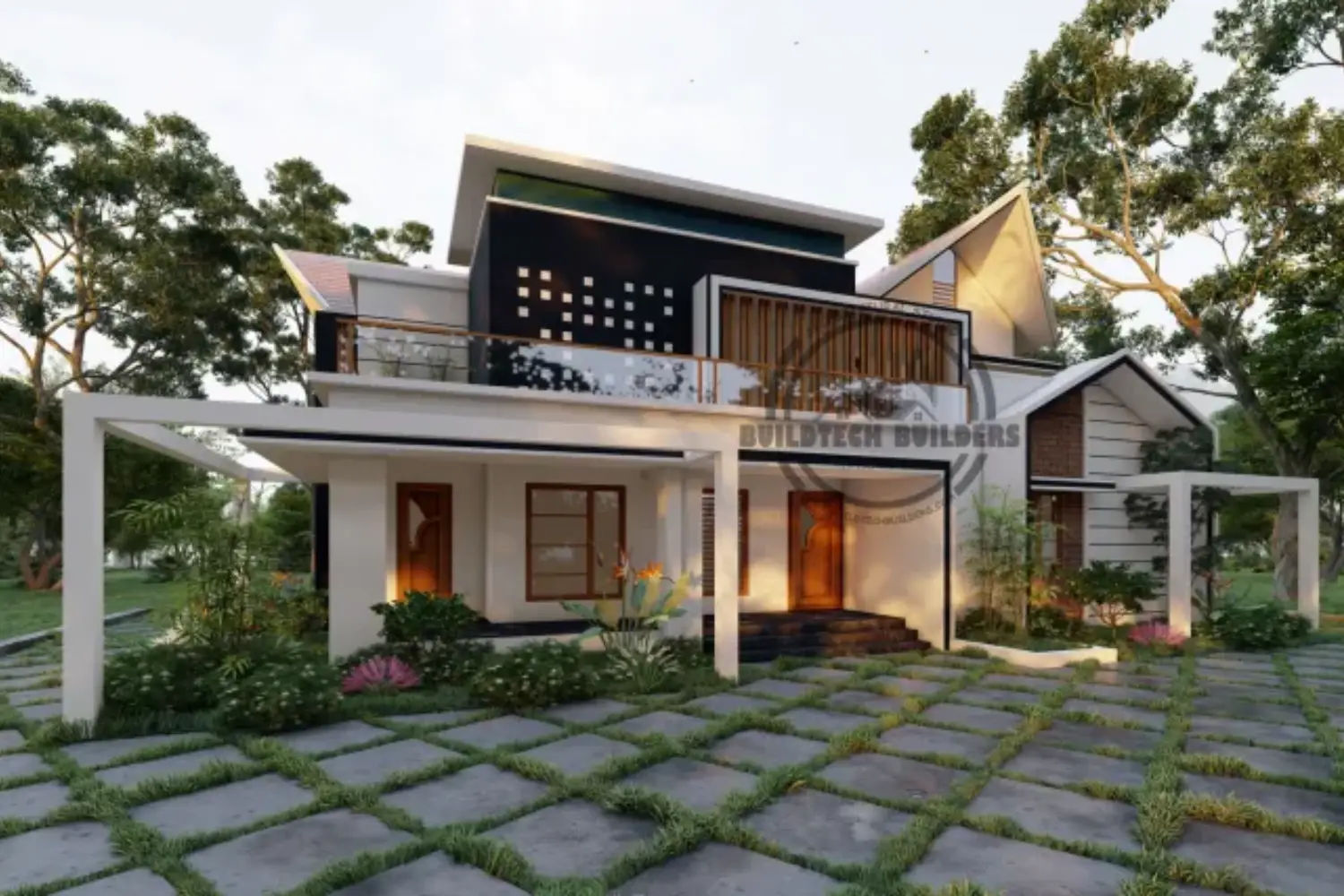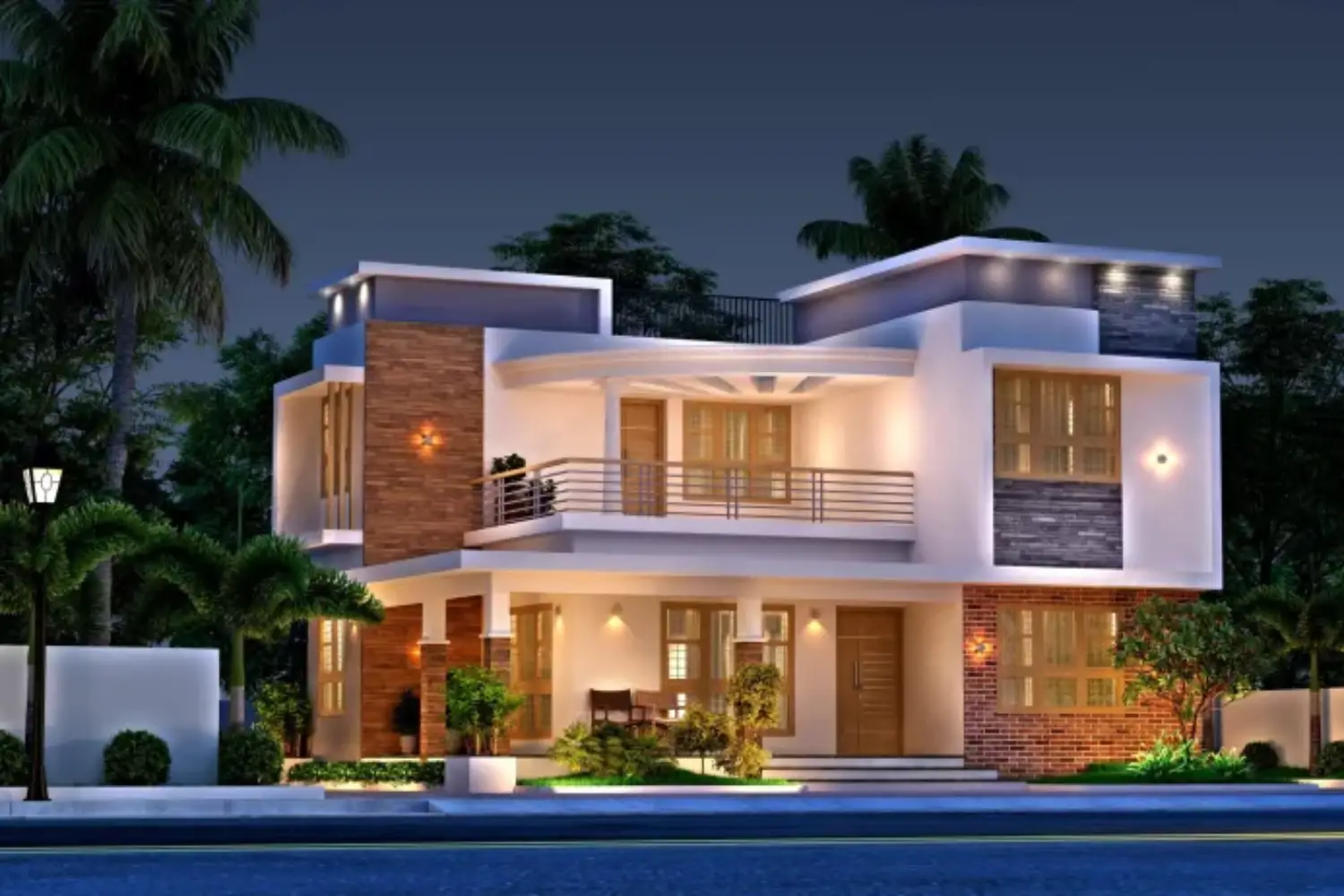
Building a dream home is an important goal for many families in Kerala. However, house construction can become expensive without proper planning. Material prices, labour charges, design changes and unexpected expenses can increase the total budget.
The good news is that you do not need a huge budget to build a comfortable and beautiful home. With smart planning and the right construction decisions, you can reduce expenses without compromising quality.
In this guide, we will explore 15 practical money-saving tips for low budget house construction in Kerala.
1. Plan Your Budget Before Starting Construction
Budget planning is the first step towards affordable house construction. Before starting the project, decide how much you can spend.
Prepare a budget that includes:
- Land preparation.
- Building materials.
- Labour charges.
- Electrical and plumbing work.
- Flooring and painting.
- Interior work.
- Unexpected expenses.
Keep an additional amount for unexpected costs. This will help you manage the project without financial stress.
2. Choose a Simple House Design
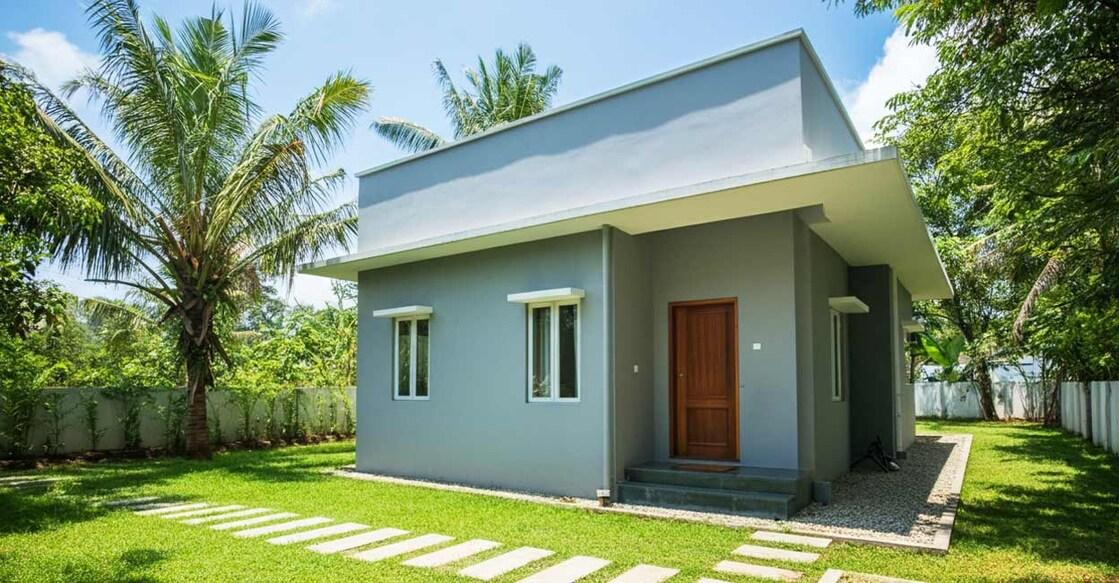
A simple house design can reduce construction expenses. Complex architectural designs often require more materials and labour.
Consider a practical design with:
- Simple building shapes.
- Straight walls.
- Standard room layouts.
- Fewer decorative elements.
- Efficient use of available space.
A simple design can still look modern and attractive.
3. Build Only the Space You Need
Avoid constructing unnecessary rooms or large unused spaces. Instead, plan your house according to your family’s actual requirements.
For example, consider:
- Comfortable bedroom sizes.
- A practical living area.
- A functional kitchen.
- Shared spaces where suitable.
- Future expansion possibilities.
A smaller, well-planned house can be more affordable to build and maintain.
4. Select Affordable and Quality Construction Materials
Building materials have a major impact on construction costs. Compare prices and quality before purchasing materials.
Important materials include:
- Cement.
- Steel.
- Bricks and blocks.
- Sand.
- Aggregates.
- Roofing materials.
Request quotations from multiple suppliers. However, never select materials based only on the lowest price. Quality and suitability are equally important.
5. Choose a Suitable Roof Design
Roofing choices can influence the overall construction budget.
A simple roof design may reduce structural complexity and labour requirements. Compare suitable roofing options based on your house design and budget.
Consider:
- RCC roofing.
- Clay roof tiles.
- Metal roofing sheets.
- Other suitable roofing systems.
Discuss the advantages and costs with your architect or structural engineer before making a decision.
6. Avoid Unnecessary Design Changes
Frequent design changes during construction can increase expenses. They may also delay the project.
Therefore, finalise your house plan before starting work.
Decide the following in advance:
- Room dimensions.
- Door and window positions.
- Electrical points.
- Plumbing locations.
- Kitchen layout.
- Bathroom arrangements.
A clear plan helps reduce material wastage and rework.
7. Compare Quotes from Different Builders
Do not select a construction company based only on its advertised price.
Collect quotations from different builders and compare their services.
Check:
- Total construction cost.
- Materials included.
- Labour charges.
- Project timeline.
- Payment schedule.
- Work quality.
- Previous projects.
Choose a reliable builder who provides transparent pricing and a written agreement.
8. Purchase Materials Carefully
Smart material purchasing can help control construction expenses.
Follow these practical steps:
- Prepare a material requirement list.
- Compare supplier prices.
- Check product quality.
- Buy according to the construction schedule.
- Avoid unnecessary bulk purchases.
- Keep purchase bills and records.
Proper material management can reduce wastage and prevent unnecessary spending.
9. Use Natural Lighting and Ventilation
A well-designed house can make better use of natural light and fresh air.
Plan windows and ventilation openings according to the site and building design.
This can help:
- Reduce daytime electricity usage.
- Improve indoor comfort.
- Reduce dependence on artificial lighting.
- Improve air circulation.
Good natural lighting also makes rooms feel more spacious.
10. Choose Affordable Flooring Options
Flooring is another area where homeowners can manage their budget.
Compare different flooring materials based on cost, durability and maintenance.
Options include:
- Ceramic tiles.
- Vitrified tiles.
- Cement flooring.
- Other suitable local flooring products.
Choose flooring that matches your budget and the intended use of each room.
11. Keep Interior Design Simple
Expensive interior decorations are not necessary for every home.
You can create an attractive interior with simple design choices.
For example:
- Use practical storage solutions.
- Choose affordable furniture.
- Avoid unnecessary decorative ceilings.
- Select simple lighting fixtures.
- Plan kitchen cabinets according to your needs.
You can also complete some decorative improvements later when your budget allows.
12. Plan Electrical and Plumbing Work Properly
Electrical and plumbing changes after construction can become expensive.
Therefore, finalise these plans before beginning the work.
Consider the location of:
- Switchboards.
- Lighting points.
- Water connections.
- Bathroom fittings.
- Kitchen plumbing.
- Drainage systems.
Use suitable materials and qualified professionals. Avoid compromising safety to reduce costs.
13. Reduce Material Wastage
Material wastage can increase your construction expenses.
To avoid unnecessary waste:
- Measure materials carefully.
- Store cement in a dry place.
- Protect steel from excessive exposure.
- Order materials according to requirements.
- Monitor construction activities.
- Reuse suitable leftover materials where appropriate.
Good site management helps control unnecessary expenses.
14. Monitor Construction Progress Regularly
Regular monitoring helps you identify problems before they become expensive.
Visit the construction site whenever possible. Also, request regular progress updates from your contractor.
Check:
- Work completed.
- Material usage.
- Labour progress.
- Budget expenses.
- Construction quality.
Maintain records of payments and important decisions. This helps you stay within your planned budget.
15. Focus on Long-Term Maintenance
Saving money during construction should not create expensive maintenance problems later.
Choose durable materials and proper construction methods. Pay attention to waterproofing, drainage, electrical safety and structural quality.
A well-planned home can reduce repair costs over time.
Common Mistakes to Avoid During Low Budget House Construction
While planning an affordable home, avoid these common mistakes:
- Starting construction without a proper budget.
- Choosing a builder only because of a low quotation.
- Using poor-quality materials.
- Ignoring structural design.
- Making frequent design changes.
- Ignoring waterproofing.
- Purchasing unnecessary materials.
- Spending too much on decoration.
- Failing to monitor construction expenses.
Remember, reducing unnecessary expenses is better than compromising the safety and quality of your home.
FAQ (Frequently Asked Questions)
Q1. How can I build a low budget house in Kerala?
You can reduce construction expenses by choosing a simple design, planning your budget, comparing material prices and avoiding unnecessary changes.
Q2. Which house design is suitable for a low budget?
Simple house designs with practical room layouts and fewer decorative elements can help control construction costs.
Q3. How can I reduce house construction material costs?
Compare supplier quotations, prepare a material list and purchase materials according to the construction schedule.
Q4. Is it possible to build a quality house on a low budget?
Yes. Proper planning, suitable materials and professional guidance can help you build an affordable home without compromising structural safety.
Q5. How can I avoid extra expenses during construction?
Finalise your house plan, monitor material usage, maintain payment records and avoid unnecessary design changes.
Conclusion
Low budget house construction in Kerala is possible with careful planning and smart decisions. From choosing a simple house design to selecting suitable materials, every decision can influence your total construction cost.
The 15 tips discussed in this guide can help you manage your budget and avoid unnecessary expenses.
However, affordable construction should never mean poor-quality work. Always consult qualified architects and engineers before making important structural decisions.
Planning to build your dream home in Kerala? Choose the right construction partner, prepare a realistic budget and start your home-building journey with confidence. If you are planning an affordable home, explore our House Construction Services to learn about our construction solutions.