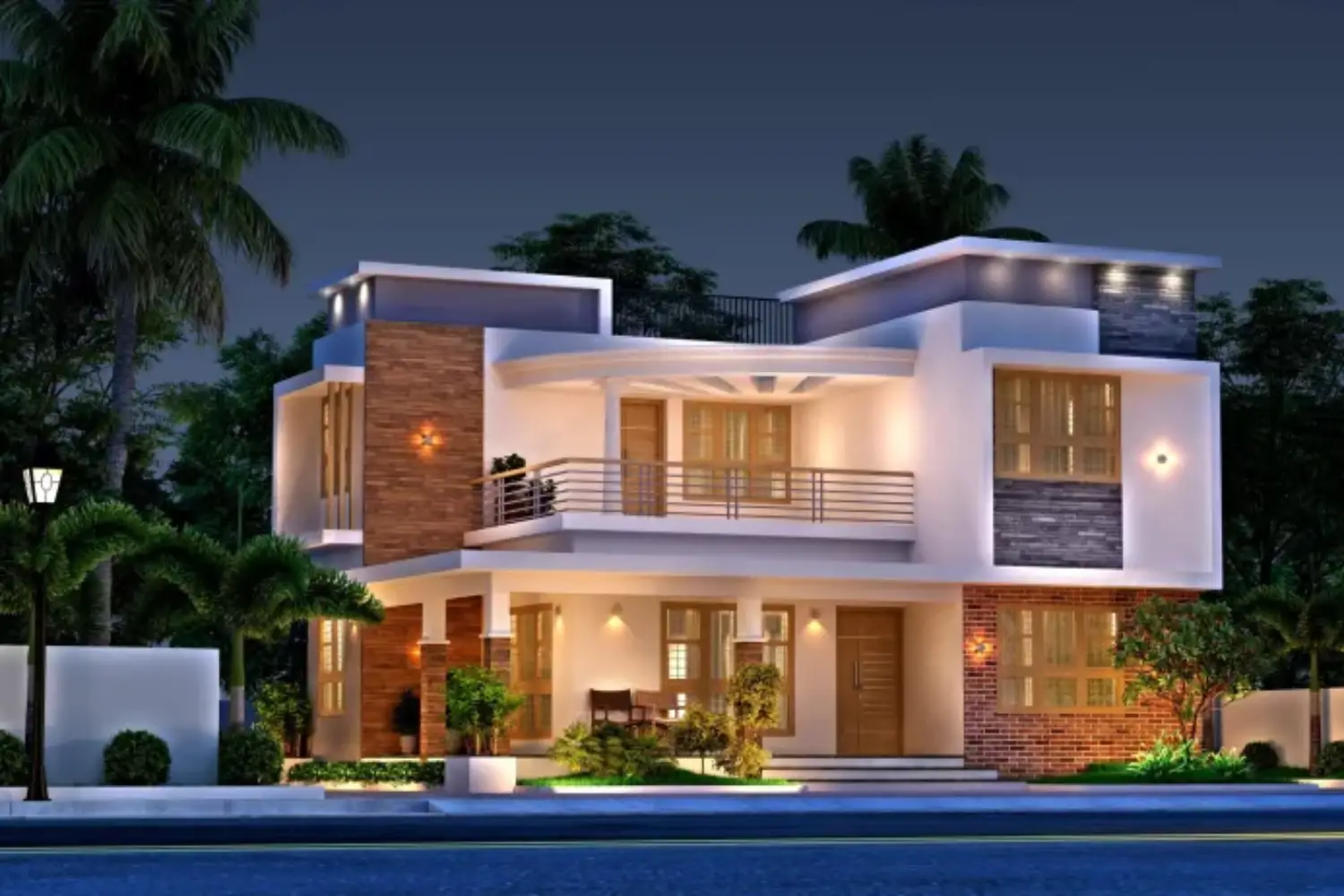
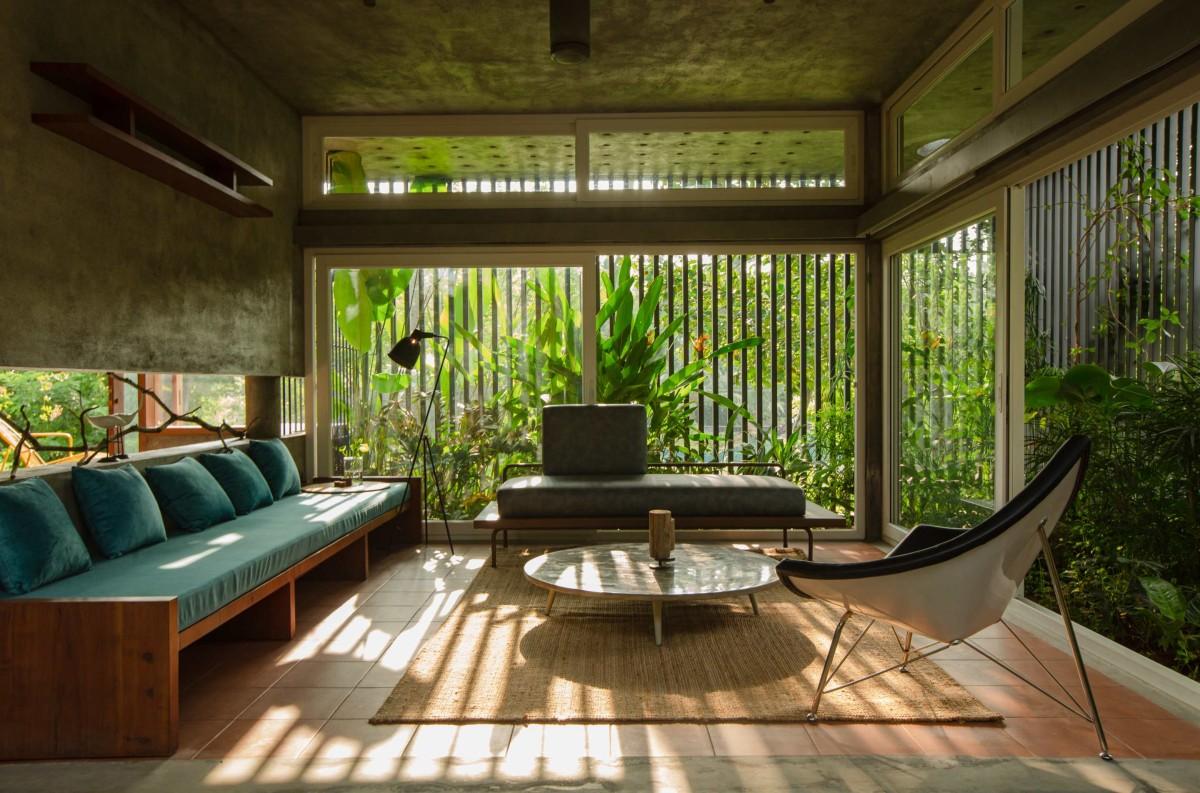
Building a home is not just about creating a beautiful living space. It is also about creating a comfortable and environmentally friendly place for the future. In Kerala, homeowners face challenges such as heavy rainfall, high humidity and warm temperatures. Therefore, sustainable and energy-efficient home construction is becoming increasingly important.
A well-planned home can reduce electricity consumption, improve indoor comfort and minimise environmental impact. It can also help homeowners save money on energy bills over time. Choosing suitable construction materials is essential for a sustainable home. Read our guide on Best Roofing Materials for Kerala Homes to explore different roofing options.
In this guide, we will explore practical ways to build a sustainable and energy-efficient home in Kerala.
1. Choose the Right House Orientation
The direction of your house can influence indoor temperature and natural lighting.
A well-planned building orientation can reduce unwanted heat and improve ventilation.
Consider these points:
- Study the direction of sunlight.
- Plan windows according to the site.
- Reduce excessive exposure to harsh afternoon sunlight.
- Provide suitable shading.
- Consider the local wind direction.
Consult an architect to choose an orientation that suits your land and building design.
2. Use Natural Lighting
Natural lighting helps reduce the need for artificial lights during the daytime.
Plan your windows and openings to allow enough daylight into your rooms.
You can improve natural lighting by:
- Installing appropriately sized windows.
- Using skylights where suitable.
- Choosing light-coloured interior finishes.
- Avoiding unnecessary obstructions near windows.
- Planning open and well-lit spaces.
Good daylight planning can make your home brighter and more comfortable.
3. Improve Natural Ventilation
Kerala experiences warm and humid weather throughout much of the year. Proper ventilation helps improve indoor comfort.
Consider these ventilation methods:
- Cross ventilation.
- Well-positioned windows.
- Ventilators in bathrooms and kitchens.
- Openings that support natural airflow.
- Shaded outdoor spaces.
Cross ventilation allows fresh air to enter through one opening and move out through another.
4. Select Eco-Friendly Construction Materials
Choosing suitable construction materials is an important part of sustainable building.
Consider materials that are durable, locally available and suitable for Kerala’s climate.
Some options include:
- Locally sourced bricks and blocks.
- Recycled construction materials where suitable.
- Certified timber from responsible sources.
- Low-impact finishing materials.
- Materials with suitable thermal performance.
Compare material quality, transportation requirements, durability and environmental impact before making a decision.
5. Install Energy-Efficient Windows
Windows play an important role in indoor comfort and energy consumption.
Suitable window designs can improve daylight, ventilation and heat control.
Consider:
- Proper window placement.
- Suitable glazing.
- External shading.
- Weather-resistant frames.
- Good sealing around window openings.
Choose window systems according to the building’s orientation and local weather conditions.
6. Use Roof Insulation and Suitable Roofing Materials
The roof receives considerable sunlight throughout the day. Therefore, roof design has a major influence on indoor temperature.
You can improve roof performance by:
- Using suitable roof insulation.
- Providing adequate ventilation.
- Choosing appropriate roofing materials.
- Adding protective shading where suitable.
- Planning proper waterproofing and drainage.
These measures can help reduce unwanted heat inside your home.
7. Install Solar Energy Systems
Solar energy is a useful option for reducing dependence on conventional electricity.
A rooftop solar system can generate electricity from sunlight.
Before installation, consider:
- Available rooftop space.
- Sunlight exposure.
- Household electricity consumption.
- System capacity.
- Installation and maintenance costs.
Consult a qualified solar professional to select a system that meets your household requirements.
8. Choose Energy-Efficient Electrical Appliances
Electrical appliances contribute to household energy consumption.
Selecting efficient appliances can help reduce electricity usage.
Consider:
- Energy-efficient refrigerators.
- LED lighting.
- Efficient air conditioners.
- Energy-saving fans.
- Suitable water heaters.
Check the energy ratings and operating costs before purchasing appliances.
9. Implement Rainwater Harvesting
Rainwater harvesting is especially useful in Kerala because the state receives substantial rainfall.
A properly designed system can collect and store rainwater for suitable household uses.
Common components include:
- Roof rainwater collection pipes.
- Gutters.
- Filters.
- Storage tanks.
- Recharge pits where suitable.
Regular cleaning and maintenance are important to keep the system working properly.
10. Use Water-Efficient Plumbing Fixtures
Water conservation is another important part of sustainable home construction.
Choose plumbing fixtures that reduce unnecessary water usage.
Some options include:
- Water-saving taps.
- Efficient showerheads.
- Dual-flush toilets.
- Properly designed plumbing systems.
- Leak-resistant fittings.
These choices can help reduce water consumption without affecting everyday comfort.
11. Create Green Spaces Around Your Home
Plants and trees can improve the surroundings of your house.
Suitable landscaping can also provide shade and reduce direct sunlight on exposed walls and outdoor spaces.
Consider:
- Planting shade trees in suitable locations.
- Creating a small home garden.
- Growing native plants.
- Using green spaces around the building.
- Planning outdoor seating in shaded areas.
Choose plants according to the available space and local conditions.
12. Use Energy-Efficient Lighting
Lighting choices can influence your monthly electricity bill.
LED lights use less electricity than many traditional lighting options and are available in different designs.
You can also:
- Install lights only where needed.
- Use natural daylight during the daytime.
- Choose suitable lighting levels.
- Use outdoor lighting efficiently.
- Consider motion sensors in selected areas.
These simple steps can help reduce unnecessary electricity consumption.
13. Reduce Construction Waste
Construction activities can produce a large amount of waste.
Proper planning and material management can help reduce this waste.
Follow these practices:
- Estimate material quantities carefully.
- Avoid unnecessary material purchases.
- Reuse suitable leftover materials.
- Separate recyclable waste.
- Dispose of construction waste responsibly.
- Work with contractors who follow proper waste management practices.
Reducing waste can also help control construction expenses.
14. Choose Durable and Low-Maintenance Materials
Sustainable construction is not only about reducing energy consumption. It is also about building a home that lasts longer.
Choose materials that can withstand Kerala’s rainfall and humidity.
Pay attention to:
- Moisture resistance.
- Waterproofing.
- Corrosion protection.
- Termite protection where required.
- Material durability.
- Maintenance requirements.
Durable materials can help reduce frequent repairs and replacement costs.
15. Plan Your Home for Long-Term Energy Savings
Think about future energy requirements while designing your house.
A few practical decisions can improve long-term efficiency.
For example:
- Keep space for future solar panels.
- Plan suitable electrical wiring.
- Provide enough ventilation.
- Choose energy-efficient appliances.
- Include insulation where appropriate.
- Consider future electric vehicle charging requirements.
A future-ready home can adapt to changing household needs.
Benefits of Sustainable and Energy-Efficient Home Construction
Sustainable construction offers several benefits for homeowners.
Lower Electricity Bills: Energy-efficient lighting, appliances and solar systems can reduce electricity consumption.
Better Indoor Comfort: Natural ventilation, shading and insulation can help maintain comfortable indoor temperatures.
Water Conservation: Rainwater harvesting and efficient plumbing fixtures help reduce water wastage.
Reduced Environmental Impact: Responsible material selection and waste management can reduce the environmental impact of construction.
Long-Term Savings: Durable materials and efficient building systems can reduce maintenance and operating expenses.
Common Mistakes to Avoid
While planning a sustainable home, avoid these common mistakes:
- Ignoring the direction of sunlight.
- Choosing materials without checking their quality.
- Providing insufficient ventilation.
- Ignoring roof insulation.
- Installing solar panels without proper assessment.
- Neglecting rainwater drainage.
- Using inefficient electrical appliances.
- Ignoring construction waste management.
- Failing to plan for future energy requirements.
Good planning can prevent many of these problems.
FAQ (Frequently Asked Questions)
Q1. What is sustainable home construction?
Sustainable home construction focuses on reducing environmental impact through efficient design, responsible material selection, energy conservation and water management.
Q2. How can I make my house energy-efficient in Kerala?
Use natural ventilation, suitable roof insulation, LED lighting, energy-efficient appliances and solar energy where appropriate.
Q3. Which construction materials are eco-friendly?
Locally sourced materials, suitable recycled products and responsibly sourced timber are some options to consider.
Q4. Is solar energy suitable for homes in Kerala?
Yes. Rooftop solar systems can generate electricity for homes. The suitable system depends on available roof space, sunlight exposure and household energy requirements.
Q5. How does rainwater harvesting help homeowners?
It collects and stores rainwater for suitable uses. It can help reduce dependence on other water sources.
Q6. Are sustainable homes expensive to build?
Some sustainable features require an initial investment. However, proper planning and energy-efficient systems can help reduce long-term operating costs.
Q7. Why is natural ventilation important in Kerala?
Natural ventilation improves airflow and can help reduce indoor heat and humidity when properly designed.
Conclusion
Sustainable and energy-efficient home construction in Kerala is about creating comfortable homes while using resources responsibly.
From natural lighting and ventilation to solar energy, rainwater harvesting and eco-friendly materials, every design decision can contribute to a better living environment.
A sustainable home does not always require expensive technology. Even simple choices made during the planning and construction stages can improve energy efficiency and reduce long-term expenses.
Before starting construction, consult experienced architects, engineers and construction professionals to develop a design that suits your budget, location and lifestyle.
Planning to build a sustainable home in Kerala? Start with smart design choices and create a comfortable, energy-efficient home for the future.